





 Send Inquiry
2:4 Dinitro Phenyl Hydrazine
Price 1 INR/ Kilograms
2:4 Dinitro Phenyl Hydrazine Specification
- Density
- 1.688 Gram per cubic centimeter(g/cm3)
- Melting Point
- 173174C (sublimes, decomposes)
- Poisonous
- YES
- Grade
- Laboratory Reagent Grade
- Physical Form
- Powder
- Usage
- Analytical reagent in organic chemistry; forms hydrazones with carbonyls
- Structural Formula
- 
- Molecular Weight
- 198.14 g/mol
- HS Code
- 29280090
- CAS No
- 119-26-6
- Shape
- Crystalline
- Solubility
- Insoluble in water; soluble in ethanol and in acetic acid
- Application
- Used for detection and identification of carbonyl compounds (aldehydes and ketones)
- Shelf Life
- 2 years under recommended storage conditions
- Ingredients
- 2,4-Dinitrophenylhydrazine
- Molecular Formula
- C6H6N4O4
- Smell
- Odorless or very slight
- Purity
- >=99%
- Product Type
- Organic Compound
- Storage
- Store in a tightly closed container, in a cool, dry, well-ventilated place, protected from light and moisture; avoid shock, friction
- EINECS No
- 204-309-3
- Appearance
- Orange to red crystalline powder
- Properties
- Sensitive to shock and friction; decomposes explosively; reacts violently with oxidizing agents; melts and decomposes with color change
- First Aid Measures
- In case of exposure, seek medical advice; avoid dust inhalation and contact with skin or eyes
- Flash Point
- Not applicable; may decompose violently
- UN Number
- UN 1320
- Hazard Class
- Explosive (Class 1.1) / Toxic
- Boiling Point
- Decomposes before boiling
- Disposal Method
- Dispose of as hazardous waste per local regulations
- Stability
- Stable under recommended storage conditions but may explode if subjected to shock or friction
- Auto-ignition Temperature
- No data available
- Packing Group
- II
- Incompatibility
- Strong oxidizing agents, acids, alkalis
2:4 Dinitro Phenyl Hydrazine Trade Information
- Minimum Order Quantity
- 25 Kilograms
- Supply Ability
- 100 Kilograms Per Week
- Delivery Time
- 1 Week
About 2:4 Dinitro Phenyl Hydrazine
Features:
- Accurate pH value
- High effectiveness
- Non-toxic nature
- Longer shelf life
Application and Usage
2,4-Dinitrophenylhydrazine is extensively used in organic chemistry laboratories for the detection and identification of carbonyl functional groupsspecifically aldehydes and ketones. By reacting with these compounds, DNPH forms hydrazones, which are easily analyzed due to their distinct physical properties, enabling precise qualitative assessments in chemical research and education.
Storage and Handling Precautions
Due to its sensitivity to shock and friction and its explosive nature, DNPH must be stored in a tightly closed container, in a cool, dry, and well-ventilated environment, protected from light and moisture. Strict safety protocols should be followed to prevent accidental detonation or exposure, including using personal protective equipment and avoiding any conditions that could cause physical disturbance.
FAQs of 2:4 Dinitro Phenyl Hydrazine:
Q: How should 2,4-Dinitrophenylhydrazine be safely stored and handled?
A: DNPH should be stored in tightly sealed containers in a cool, dry, and well-ventilated area away from light, moisture, oxidizing agents, and sources of shock or friction. Always wear appropriate protective gear and handle gently to prevent accidental explosion.Q: What is the primary use of 2,4-Dinitrophenylhydrazine in laboratories?
A: DNPH is primarily used as an analytical reagent for the detection and identification of carbonyl compounds such as aldehydes and ketones. It reacts to form hydrazones, which aid in qualitative analysis during organic chemistry experiments.Q: When does 2,4-Dinitrophenylhydrazine become hazardous during use?
A: DNPH can become hazardous if exposed to shock, friction, strong oxidizing agents, acids, or alkalis. It decomposes explosively, so safe handling practices and proper storage are essential at all times to minimize risks.Q: Where should DNPH disposal take place if waste is generated?
A: DNPH waste should be disposed of as hazardous material following local and national regulations. Specialized chemical waste disposal services are recommended to ensure that environmental and safety protocols are met.Q: What process should be followed in case of accidental exposure to DNPH?
A: If exposure occurs, avoid further contact and inhalation of dust. Immediately seek medical advice, remove any contaminated clothing, and rinse affected skin or eyes with plenty of water. Rapid professional assessment is crucial due to its toxic and explosive properties.Q: How does DNPH benefit analytical chemistry?
A: By forming stable hydrazones with carbonyl compounds, DNPH facilitates reliable identification and analysis of aldehydes and ketones, making qualitative testing more robust and reproducible in chemical laboratories.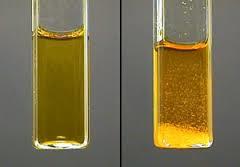

Price:
- 50
- 100
- 200
- 250
- 500
- 1000+

More Products in Lab Chemicals Category
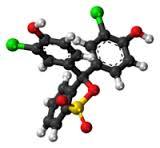
Chloro Phenol Red 70%
Price 1 INR / Kilograms
Minimum Order Quantity : 25 Kilograms
Ingredients : Chloro Phenol Red (main constituent)
Molecular Formula : C15H10Cl2O5S
Grade : Analytical/Indicator Grade
Shelf Life : 24 Months
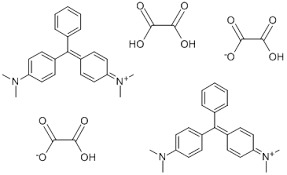
Malachite Green Oxalate
Price 1 INR / Kilograms
Minimum Order Quantity : 25 Kilograms
Ingredients : Malachite Green Oxalate salt
Molecular Formula : C23H25N2O2
Grade : Laboratory, Industrial
Shelf Life : 24 months
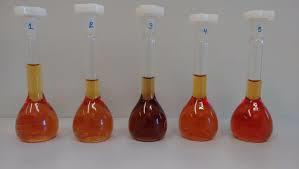
Eriochrome Cyanine R
Price 1 INR / Kilograms
Minimum Order Quantity : 25 Kilograms
Ingredients : Eriochrome Cyanine R (sodium salt of the azodye)
Molecular Formula : C23H16N2Na2O8S2
Grade : Laboratory/Reagent Grade
Shelf Life : 5 years if properly stored
Eriochrome Black T
Price 1 INR / Kilograms
Minimum Order Quantity : 25 Kilograms
Ingredients : Disodium salt of 1(1hydroxy2naphthylazo)2naphthol4sulfonic acid
Molecular Formula : C20H12N3NaO7S
Grade : Technical/Laboratory Grade
Shelf Life : 24 months (when properly stored)

GST : 27AARCA1049D1ZS


|
 |
KARAN LABORATES
All Rights Reserved.(Terms of Use) Developed and Managed by Infocom Network Private Limited. |
