




 Send Inquiry
235 Triphenyl Tetrazolium Chloride (TTC Red)
Price 1 INR/ Kilograms
235 Triphenyl Tetrazolium Chloride (TTC Red) Specification
- Storage
- Store in a tightly closed container, protect from light, at 2-8°C
- Usage
- Vital stain; used to detect cellular respiration activity
- Shelf Life
- 24 months
- Ingredients
- Triphenyl Tetrazolium Chloride
- Poisonous
- YES
- EINECS No
- 206-073-4
- Shape
- Crystalline
- CAS No
- 298-96-4
- Molecular Formula
- C19H15ClN4
- Molecular Weight
- 334.8 g/mol
- Structural Formula
- Provided by manufacturer
- Properties
- Red crystalline powder, sensitive to light, stable under recommended storage conditions
- Appearance
- Bright red crystalline powder
- Product Type
- Lab Chemical
- Physical Form
- Powder
- Grade
- Reagent Grade
- Melting Point
- >225°C (decomposes)
- HS Code
- 29339990
- Application
- Biochemical enzyme, histochemistry, microbiology vitality indicator
- Solubility
- Slightly soluble in water, soluble in ethanol and DMSO
- Smell
- Odorless
- Purity
- >99%
- Biological Activity
- Reduces to formazan in presence of active dehydrogenases
- Compatibility
- Compatible with most biochemical and histochemical protocols
- Packing Details
- Typically available in 10g, 25g, 100g bottles
- Synonyms
- TTC, 2,3,5-Triphenyltetrazolium chloride
- Stability
- Stable when stored as directed; avoid exposure to light
- Transport Information
- Not classified as dangerous for transport
- Hazard Statements
- H301: Toxic if swallowed; H315: Causes skin irritation; H319: Causes serious eye irritation
- Safety Precautions
- Wear protective gloves/eye protection; avoid inhalation and ingestion
- Usage Restrictions
- For laboratory use only, not for drug, food, or household use
235 Triphenyl Tetrazolium Chloride (TTC Red) Trade Information
- Minimum Order Quantity
- 25 Kilograms
- Supply Ability
- 100 Kilograms Per Week
- Delivery Time
- 1 Week
About 235 Triphenyl Tetrazolium Chloride (TTC Red)
235 TRIPHENYL TETRAZOLIUM CHLORIDE (TTC RED)
Features:
- Longer shelf life
- Accurate pH value
- Highly reactive
- Better chemical stability
Applications in Biochemical and Microbiology Assays
TTC Red is prominently employed in evaluating cell viability and respiration in biochemical and microbiological research. Its reduction to red formazan indicates metabolic activity, making it an essential indicator in histochemical and vitality testing protocols. Researchers depend on TTC for precise, visible results in enzyme assays and microbial vitality studies.
Safe Handling and Storage Guidelines
To ensure safety while working with TTC, always wear protective gloves and eye protection, and avoid inhalation or ingestion. TTC Red should be stored tightly sealed, away from light, and maintained at 28C. These measures preserve reagent integrity and minimize health risks associated with toxicity and irritation.
FAQs of 235 Triphenyl Tetrazolium Chloride (TTC Red):
Q: How does Triphenyl Tetrazolium Chloride function as a redox indicator in laboratory assays?
A: TTC acts as a redox indicator by being reduced to insoluble red formazan in the presence of active cellular dehydrogenases, thereby visibly marking metabolically active cells or tissues.Q: What should I consider when storing TTC Red to maintain its stability?
A: Store TTC Red in a tightly closed container, protect it from light exposure, and keep it at 28C. Proper storage ensures stability and active performance for up to 24 months.Q: When is TTC Red typically used in laboratory research?
A: TTC Red is commonly used during procedures requiring cellular viability and metabolic activity assessment, such as enzyme testing, histochemistry, and vitality assays in microbiology.Q: Where can I safely utilize TTC Red, and what restrictions apply?
A: TTC Red should only be used within laboratory settings by qualified personnel. It is not suitable for use in drug, food, or household applications due to its poisonous and irritant nature.Q: What are the safety precautions necessary when using TTC Red?
A: Users must wear protective gloves and eye protection to minimize skin and eye contact. Avoid inhaling dust or ingesting the powder, as TTC is toxic and can cause irritation.Q: What is the main benefit of using TTC Red in research protocols?
A: TTC Red provides highly visible and reliable detection of viable cells, allowing researchers to quickly assess metabolic and respiratory activity in various samples.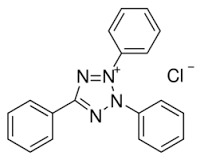

Price:
- 50
- 100
- 200
- 250
- 500
- 1000+

More Products in Lab Chemicals Category
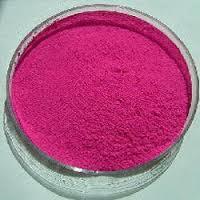
Rhodamine B
Price 1 INR / Kilograms
Minimum Order Quantity : 25 Kilograms
Physical Form : Powder
Product Type : Synthetic Organic Dye
Application : Other , Textile dyeing, biological stain, tracer dye, fluorescent marker
Solubility : Soluble in water, ethanol, slightly soluble in acetone
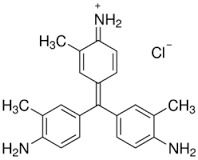
New Fuchsin
Price 1 INR / Kilograms
Minimum Order Quantity : 25 Kilograms
Physical Form : Powder
Product Type : Dye Intermediate
Application : Other , Microbiological staining, histology, cytology, bacteriological applications
Solubility : Soluble in water and ethanol
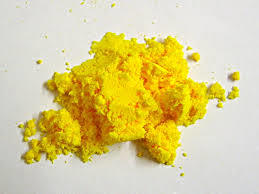
Ammonium Ceric Sulphate Ar
Price 1 INR / Kilograms
Minimum Order Quantity : 25 Kilograms
Physical Form : Solid
Product Type : Inorganic Salt
Application : Other , Volumetric analysis, Analytical chemistry, Oxidimetry
Solubility : Soluble in water
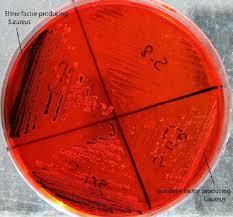
Congo Red 75%
Price 1 INR / Kilograms
Minimum Order Quantity : 25 Kilograms
Physical Form : Powder
Product Type : Synthetic Dye
Application : Other , Textile industry, histology staining, pH indicator, paper and leather dyeing
Solubility : Soluble in water

GST : 27AARCA1049D1ZS


|
 |
KARAN LABORATES
All Rights Reserved.(Terms of Use) Developed and Managed by Infocom Network Private Limited. |
