




 Send Inquiry
Nile Blue Sulphte
Price 1 INR/ Kilograms
Nile Blue Sulphte Specification
- Application
- Biological stain, histological dye, and analytical reagent
- Taste
- Odorless
- Grade
- Laboratory/Reagent Grade
- Smell
- Odorless
- Solubility
- Soluble in water and ethanol
- Product Type
- Synthetic Organic Dye
- Physical Form
- Powder
- Usage
- Used for staining biological specimens, cell and tissue staining, and fluorescence microscopy
- Properties
- Highly soluble in water and ethanol, has strong fluorescence, helpful for fluorescent staining
- Shape
- Crystalline powder
- Density
- Gram per cubic centimeter(g/cm3)
- CAS No
- 3625-57-8
- Ph Level
- Neutral to slightly alkaline
- Melting Point
- Above 200°C (decomposes)
- Molecular Formula
- C20H20N3O6S
- Appearance
- Dark blue to purple powder
- Shelf Life
- 5 years if properly stored
- Storage
- Store in cool, dry, and dark place in tightly sealed container
- Purity
- 98% Min
- EINECS No
- 222-822-8
- HS Code
- 32041319
- Poisonous
- YES
- Structural Formula
- Available on request
- Molecular Weight
- 429.46 g/mol
- Ingredients
- Nile Blue Sulphate dye
- Transport Information
- Not regulated as dangerous goods
- Stability
- Stable under recommended storage conditions
- Pack Size
- Available in 10g, 25g, 100g, 500g packs
- Light Fastness
- Moderate
- Hazard Class
- Irritant
- Labeling
- Hazard and safety labeling present
- Manufacturing Method
- Synthetic
- Precautionary Measures
- Avoid contact with skin and eyes, use personal protective equipment
Nile Blue Sulphte Trade Information
- Minimum Order Quantity
- 25 Kilograms
- Supply Ability
- 100 Kilograms Per Week
- Delivery Time
- 1 Week
About Nile Blue Sulphte
NILE BLUE SULPHTE
Features:
- Accurate pH value
- High effectiveness
- Non-toxic nature
- Longer shelf life
Versatile Staining Solution
Nile Blue Sulphate serves as a valuable tool for scientists and lab professionals, especially for cell and tissue staining in biological research. Its distinct fluorescence enables precise visualization under microscopes, making it indispensable for histological and analytical applications. The dyes high water and ethanol solubility enhance its versatility in experimental protocols.
Safe and Reliable
While Nile Blue Sulphate is classified as an irritant and poisonous, proper storage and the use of personal protective equipment ensure easy and safe handling. The products labeling includes all necessary hazard and safety information, and under recommended conditions, it remains stable for up to five years. Transportation is straightforward, as it is not regulated as a dangerous good.
FAQs of Nile Blue Sulphte:
Q: How should Nile Blue Sulphate be stored to maintain its stability and shelf life?
A: Nile Blue Sulphate should be stored in a cool, dry, and dark location, tightly sealed in its original container. These conditions help preserve its stability, ensuring a shelf life of up to five years.Q: What safety precautions must be followed when handling Nile Blue Sulphate?
A: When using Nile Blue Sulphate, avoid skin and eye contact and always wear suitable personal protective equipment, such as gloves and safety goggles. Consult the hazard and safety labeling provided with the product for specific handling instructions.Q: Where is Nile Blue Sulphate commonly used and what are its primary applications?
A: Nile Blue Sulphate is frequently used in laboratories for biological specimen staining, cell and tissue visualization, histological studies, and fluorescence microscopy. Its strong fluorescence makes it particularly valuable for staining techniques that require clear imaging.Q: What benefits does Nile Blue Sulphate offer in laboratory staining procedures?
A: Nile Blue Sulphate provides highly soluble and fluorescent staining, enabling detailed visualization and analysis of biological specimens. This improves accuracy in cell and tissue research and supports reliable analytical outcomes.Q: When should Nile Blue Sulphate be selected over other dyes for experiments?
A: Choose Nile Blue Sulphate when strong fluorescence and water or ethanol solubility are essential for the staining process, especially for microscopy, histological, or analytical applications requiring clear and distinct specimen visualization.Q: How is Nile Blue Sulphate supplied and what are the available pack sizes?
A: The dye is available in multiple pack sizes, including 10g, 25g, 100g, and 500g, making it convenient for varying laboratory needs, from small-scale experiments to larger batch requirements.Q: What is the manufacturing process of Nile Blue Sulphate and its chemical composition?
A: Nile Blue Sulphate is produced through synthetic methods and consists of the Nile Blue Sulphate dye. Its molecular formula is C20H20N3O6S, and it presents as a dark blue to purple, odorless crystalline powder.

Price:
- 50
- 100
- 200
- 250
- 500
- 1000+

More Products in Lab Chemicals Category
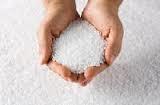
Dibromo Fluorescein Disodium Salt
Price 1 INR / Kilograms
Minimum Order Quantity : 25 Kilograms
Application : Other , Used as a pH indicator, fluorescent tracer, biological stain
Grade : Laboratory Reagent Grade
Smell : Other, Odorless
Product Type : Organic Compound
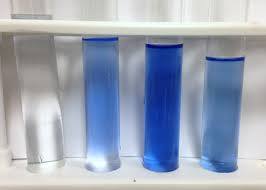
Thymolphthalein
Price 1 INR / Kilograms
Minimum Order Quantity : 25 Kilograms
Application : Other , pH Indicator in analytical chemistry, acidbase titrations, chemical education
Grade : Laboratory Grade
Smell : Other, Odorless
Product Type : Chemical Compound
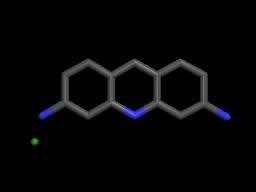
Proflavin Hydrochloride
Price 1 INR / Kilograms
Minimum Order Quantity : 25 Kilograms
Application : Other , Biological stain, antibacterial agent, wound antiseptic
Grade : Pharmaceutical Grade
Smell : Other, Odorless
Product Type : Active Pharmaceutical Ingredient
Fast Sulfone Black F
Price 1 INR / Kilograms
Minimum Order Quantity : 25 Kilograms
Application : Other , Used as a component in the manufacture of sulfone dyes
Grade : Industrial
Smell : Other, Odorless
Product Type : Dye Intermediate

GST : 27AARCA1049D1ZS


|
 |
KARAN LABORATES
All Rights Reserved.(Terms of Use) Developed and Managed by Infocom Network Private Limited. |
