




 Send Inquiry
Rose Bengal
Price 1 INR/ Kilograms
Rose Bengal Specification
- Shape
- Crystalline powder
- Poisonous
- YES
- HS Code
- 3204
- Structural Formula
- [Refer to image or CAS Registry]
- Smell
- Odorless
- Appearance
- Fine brownish-red to rose-pink powder
- Grade
- Laboratory Grade / Analytical Reagent
- Ingredients
- Rose Bengal disodium salt
- Properties
- Rose pink color, water-soluble dye, non-volatile, organic compound
- Storage
- Store in tightly sealed container; in cool, dry, ventilated area, away from light
- EINECS No
- 211-189-6
- Solubility
- Soluble in water, slightly soluble in ethanol
- Melting Point
- >300C (decomposes)
- Application
- Microbiological media, biological staining, water testing
- Usage
- Used as a stain in microscopy, dye in microbiological culture media, and in ophthalmology
- Taste
- Tasteless
- CAS No
- 632-69-9
- Product Type
- Organic Dye
- Shelf Life
- 24 months
- Molecular Formula
- C20H2Cl4I4Na2O5
- Ph Level
- 5.0 7.0 (1% solution)
- Purity
- ~95% or higher
- Molecular Weight
- 1017.64 g/mol
- Physical Form
- Powder
- Packing Details
- Sealed HDPE bottles, various pack sizes
- Hazard Information
- Harmful if swallowed or inhaled; may cause skin and eye irritation
- Precautions
- Use gloves and eye protection during handling
- Color Index Number
- 45440
- Regulatory Info
- For laboratory use only, not for drug, household or other uses
- Maximum Absorption (max)
- ~548 nm (in water)
- Synonyms
- Acid Red 94; C.I. 45440
- Stability
- Stable under recommended storage conditions
Rose Bengal Trade Information
- Minimum Order Quantity
- 25 Kilograms
- Supply Ability
- 100 Kilograms Per Week
- Delivery Time
- 1 Week
About Rose Bengal
ROSE BENGAL
Features:
- Accurate pH value
- High effectiveness
- Non-toxic nature
- Longer shelf life
High-Quality Staining Reagent
Rose Bengal serves as a reliable staining agent in microscopy and microbiological applications, enabling researchers to differentiate cellular components clearly. Its high water solubility and stability under proper storage make it suitable for repeated and consistent results in the laboratory.
Safe Handling and Storage
This dye is provided in tightly sealed HDPE containers, in varying quantities to accommodate different laboratory needs. To maintain its efficacy and shelf life of 24 months, always store Rose Bengal in a cool, dry, well-ventilated area, away from direct sunlight, and use protective gear during handling.
Versatile Laboratory Uses
Widely employed in biological staining, Rose Bengal is essential for microbiological culture media and water quality testing. Its application even extends to ophthalmology for diagnostic procedures. Due to its hazardous nature, care must be taken to use it strictly for laboratory and research purposes only.
FAQs of Rose Bengal:
Q: How is Rose Bengal typically used in laboratory settings?
A: Rose Bengal is mainly used as a staining agent in microscopy and as a dye in microbiological media. It is also applied in water testing and certain diagnostic procedures in ophthalmology, providing enhanced contrast for cellular and biological structures.Q: What precautions should be taken while handling Rose Bengal?
A: Always wear appropriate gloves and eye protection when handling Rose Bengal, as it may cause skin and eye irritation and is harmful if swallowed or inhaled. Work in a well-ventilated area and avoid direct contact with the powder.Q: When should Rose Bengal be replaced or discarded?
A: Rose Bengal should be replaced if it appears degraded, or after its shelf life of 24 months has passed, to ensure accuracy and safety in laboratory processes. Always follow your laboratorys disposal guidelines for hazardous substances.Q: Where should Rose Bengal be stored for optimum stability?
A: Store Rose Bengal in a tightly sealed container, in a cool, dry, and ventilated area away from sunlight, moisture, and incompatible substances to preserve its quality and effectiveness.Q: What is the benefit of using Rose Bengal in microbiological applications?
A: Rose Bengal enhances the visualization and differentiation of microorganisms in culture media, aiding accurate diagnosis, analysis, and research. Its high purity and stable nature contribute to reproducible and consistent staining results.Q: What is the typical appearance and physical form of Rose Bengal?
A: Rose Bengal is a fine, brownish-red to rose-pink crystalline powder that is tasteless and odorless. It is non-volatile and easily dissolves in water, making it suitable for various laboratory preparations.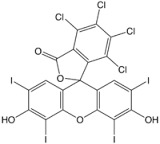

Price:
- 50
- 100
- 200
- 250
- 500
- 1000+

More Products in Lab Chemicals Category
Coomassie Brilliant Blue R 250
Price 1 INR / Kilograms
Minimum Order Quantity : 25 Kilograms
Purity : 98%
Molecular Weight : 825.97 g/mol
Physical Form : Powder
Ph Level : Neutral to slightly acidic
Bromo Cresol Purpule Sodium Salt
Price 1 INR / Kilograms
Minimum Order Quantity : 25 Kilograms
Purity : >98%
Molecular Weight : 540.21 g/mol
Physical Form : Powder
Ph Level : Color change between pH 5.2 (yellow) and 6.8 (purple)
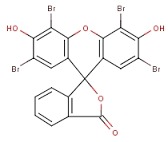
Eosin Y (SPIRIT Soluble)
Price 1 INR / Kilograms
Minimum Order Quantity : 25 Kilograms
Purity : Approx. 95%
Molecular Weight : 691.85 g/mol
Physical Form : Liquid
Ph Level : Approx. 3.74.2 (in solution)
Neutral Red 75%
Price 1 INR / Kilograms
Minimum Order Quantity : 25 Kilograms
Purity : 75%
Molecular Weight : 288.78 g/mol
Physical Form : Powder
Ph Level : Approx. 6.88.0 (as indicator)

GST : 27AARCA1049D1ZS


|
 |
KARAN LABORATES
All Rights Reserved.(Terms of Use) Developed and Managed by Infocom Network Private Limited. |
