




 Send Inquiry
Thymolphthalein
Price 1 INR/ Kilograms
Thymolphthalein Specification
- Ingredients
- Thymolphthalein
- Properties
- pH Indicator; Changes color from colorless to blue between pH 9.310.5
- Molecular Formula
- C28H30O4
- Poisonous
- Non-toxic at indicator concentrations
- Grade
- Laboratory Grade
- Molecular Weight
- 430.54 g/mol
- Usage
- Used as a pH indicator, particularly for strong base titrations
- Smell
- Odorless
- HS Code
- 29309099
- Taste
- Not determined
- Ph Level
- Active as indicator at pH 9.310.5
- CAS No
- 125-20-2
- Melting Point
- 241242C
- Shelf Life
- 5 years if properly stored
- Shape
- Crystalline solid
- Structural Formula
- [See product documentation or chemical database for structure]
- Solubility
- Very slightly soluble in water; soluble in alcohol and most organic solvents
- Density
- 1.2 Gram per cubic centimeter(g/cm3)
- Appearance
- White to pale yellow crystalline powder
- EINECS No
- 204-729-7
- Product Type
- Chemical Compound
- Physical Form
- Powder
- Application
- pH Indicator in analytical chemistry, acid-base titrations, chemical education
- Purity
- >=99%
- Storage
- Store tightly closed in a cool, dry place away from light
- Boiling Point
- Decomposes before boiling
- UN Number
- None assigned
- Color Change Range
- Colorless to blue (pH 9.3-10.5)
- Signal Word
- None required
- EC Number
- 204-729-7
- InChI Key
- KYKBOBXQGABPGL-UHFFFAOYSA-N
- Synonyms
- o-Cresolphthalein, thymol blue
- Safety Information
- Avoid inhalation and direct skin contact
- Hazard Class
- Not a hazardous substance according to GHS
- Decomposition Temperature
- >240C
- Stability
- Stable under normal temperature and pressure
- Packaging Size
- Usually available in 25g, 100g, 500g packs
Thymolphthalein Trade Information
- Minimum Order Quantity
- 25 Kilograms
- Supply Ability
- 100 Kilograms Per Week
- Delivery Time
- 1 Week
About Thymolphthalein
THYMOLPHTHALEIN
Features:
- Longer shelf life
- Accurate pH value
- Highly reactive
- Better chemical stability
Reliable pH Detection
Thymolphthalein efficiently indicates changes in pH, turning from colorless to blue in the 9.310.5 range. This distinctive color transition enables precise endpoint detection in titration processes, especially for strong base analysis. Its reliability and sharp color change make it an outstanding choice for laboratory and educational applications.
Safe and Convenient to Use
This indicator is classified as non-hazardous based on GHS standards and is non-toxic at standard concentrations. It is odorless, stable, and simple to handle when basic safety protocolsavoiding inhalation and skin contactare followed. Thymolphthaleins straightforward packaging options and long shelf life add to its practicality.
Versatile Applications in Chemistry
Thymolphthalein finds extensive use in analytical chemistry labs, chemical education, and industry as a pH indicator. Its solubility in alcohol and organic solvents, coupled with high purity, makes it suitable for diverse processes, including acid-base titrations and research investigations. Exporters and suppliers in India offer quality batches meeting laboratory standards.
FAQs of Thymolphthalein:
Q: How is thymolphthalein used in pH measurements?
A: Thymolphthalein is primarily used as a pH indicator in analytical chemistry, particularly for strong base titrations. By adding the indicator to a solution, the color change from colorless to blue signals when the pH shifts from 9.3 to 10.5, marking the titration endpoint.Q: What is the color change process for thymolphthalein?
A: Thymolphthalein undergoes a distinct color transition from colorless to blue as the pH of a solution moves between 9.3 and 10.5. This makes it effective for visually identifying shifts in basicity during chemical analyses.Q: When should thymolphthalein be used as a pH indicator?
A: Thymolphthalein is best utilized in titration procedures involving strong bases, as its color change range suits these settings. Its stability and specificity also make it suitable for educational demonstrations and laboratory research.Q: Where should thymolphthalein be stored for optimal stability?
A: For best results, thymolphthalein should be stored tightly closed in a cool, dry place away from light. Proper storage extends its shelf life to up to five years and maintains its efficacy as a pH indicator.Q: What are the safety guidelines for handling thymolphthalein?
A: Thymolphthalein is considered non-hazardous and non-toxic when used as an indicator, but basic precautions like preventing inhalation and direct skin contact should be observed. Standard laboratory attire, such as gloves and masks, is recommended.Q: What are the benefits of using thymolphthalein in analytical chemistry?
A: The main advantage of thymolphthalein is its sharp color transition in a specific pH range, enabling accurate titration endpoints. Its stability, non-toxic nature, and convenient packaging sizes make it a reliable and user-friendly indicator for laboratories.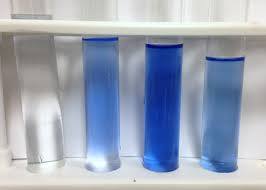

Price:
- 50
- 100
- 200
- 250
- 500
- 1000+

More Products in Lab Chemicals Category
Thioflavin T
Price 1 INR / Kilograms
Minimum Order Quantity : 25 Kilograms
EINECS No : 2192320
Molecular Formula : C17H19ClN2S
Product Type : Organic Compound
Appearance : Yellow to greenishyellow crystalline powder
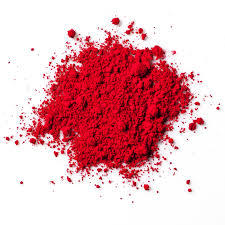
Carmine
Price 1 INR / Kilograms
Minimum Order Quantity : 25 Kilograms
EINECS No : 2157112
Molecular Formula : C22H20O13
Product Type : Colour Additive
Appearance : Deep red powder
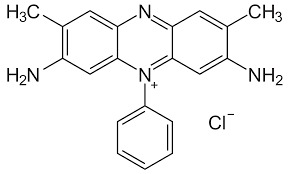
Saffranine O
Price 1 INR / Kilograms
Minimum Order Quantity : 25 Kilograms
EINECS No : 2075188
Molecular Formula : C20H19N4Cl
Product Type : Synthetic Organic Dye
Appearance : Redviolet crystalline powder
Benzanilide
Price 1 INR / Kilograms
Minimum Order Quantity : 25 Kilograms
EINECS No : 2022843
Molecular Formula : C13H11NO
Product Type : Organic Compound
Appearance : White crystalline powder

GST : 27AARCA1049D1ZS


|
 |
KARAN LABORATES
All Rights Reserved.(Terms of Use) Developed and Managed by Infocom Network Private Limited. |
