




 Send Inquiry
Cresyl Violet Acetate
Cresyl Violet Acetate Specification
- Appearance
- Violet to purple crystalline powder
- Molecular Weight
- 339.8 g/mol
- Taste
- Not for taste use (laboratory chemical)
- Shape
- Crystalline
- Structural Formula
- Refer to published chemical structure for C19H18ClN3O
- Molecular Formula
- C19H18ClN3O
- Properties
- Water soluble dye, stable under normal conditions, commonly used in histology and microscopy
- Physical Form
- Powder
- EINECS No
- 234-241-5
- Ph Level
- ~7 (1% solution)
- Grade
- Laboratory Grade
- CAS No
- 10510-54-0
- HS Code
- 32041399
- Ingredients
- Cresyl Violet Acetate
- Solubility
- Soluble in water, sparingly soluble in alcohol
- Application
- Histology, medical staining, microscopy, laboratory research
- Melting Point
- 220°C (decomp)
- Usage
- Used for staining neurons (Nissl substance) and in bacteriology
- Shelf Life
- 5 years in proper storage
- Density
- 1.2 Gram per cubic centimeter(g/cm3)
- Storage
- Store tightly closed in a cool, dry place, protected from light
- Smell
- Odorless
- Purity
- 98%
- Poisonous
- Yes, handle with caution
- Product Type
- Chemical
- Hazard Statements
- Irritant; harmful if swallowed or inhaled
- Synonyms
- Basic Violet 2 Acetate, Cresyl Echt Violet
- Packaging Size
- 10g, 25g, 100g bottles
- Safety Precautions
- Wear gloves and eye protection; avoid inhalation
- Transport Information
- Not classified as hazardous for transport
Cresyl Violet Acetate Trade Information
- Minimum Order Quantity
- 25 Kilograms
- Supply Ability
- 100 Kilograms Per Week
- Delivery Time
- 1 Week
- Sample Available
- Yes
- Sample Policy
- Free samples are available
- Packaging Details
- Drum packing.
- Main Domestic Market
- All India
About Cresyl Violet Acetate
Features:
- Correct formulation
- Better chemical stability
- Highly effective
- Safe to use
Versatile Staining Agent for Research
Cresyl Violet Acetate is renowned in histology, bacteriology, and microscopy for its reliable and precise staining abilities. Its affinity for neural tissue, especially Nissl substance, enables clear visualization of cell structures. This stable, water-soluble dye is essential for laboratories focused on neurobiology and microbial studies.
Safe Handling and Storage
As an irritant and potentially poisonous substance, Cresyl Violet Acetate requires proper safety precautions, including the use of gloves and eye protection. Store the powder in a tightly closed container, away from light in a cool, dry area to preserve its integrity. Adhering to these practices ensures safe laboratory use and a long shelf life.
Consistent Quality for Laboratory Use
Manufactured and supplied in India, Cresyl Violet Acetate is available in various packaging sizes to cater to laboratory needs. Its high purity (98%) and crystalline form guarantee consistent results in histological staining, making it a trusted reagent for researchers and technicians alike.
FAQs of Cresyl Violet Acetate:
Q: How is Cresyl Violet Acetate commonly used in laboratory settings?
A: Cresyl Violet Acetate is primarily used for staining neurons (Nissl substance) in histology, as well as in bacteriological research to highlight cell components under the microscope.Q: What safety measures should be taken when handling Cresyl Violet Acetate?
A: Always wear gloves and protective eyewear when handling the powder, and avoid inhalation or ingestion, as Cresyl Violet Acetate is classified as an irritant and is poisonous.Q: When should I replace my Cresyl Violet Acetate stock?
A: Provided it is stored tightly sealed, away from light, and in a cool, dry place, Cresyl Violet Acetate maintains its effectiveness for up to 5 years. Replace the stock if signs of degradation or contamination appear before this period.Q: Where should Cresyl Violet Acetate be stored to ensure maximum shelf life?
A: To preserve its quality and reactivity, store Cresyl Violet Acetate in a cool, dry, and dark place with the container tightly closed, away from incompatible materials.Q: What benefits does Cresyl Violet Acetate provide in microscopy and staining?
A: The dye delivers sharp, high-contrast staining for neurons and bacterial samples, facilitating accurate visualization and analysis in both research and clinical laboratory contexts.Q: Can Cresyl Violet Acetate be transported as hazardous material?
A: No, Cresyl Violet Acetate is not classified as hazardous for transport according to standard guidelines, simplifying shipping and handling procedures.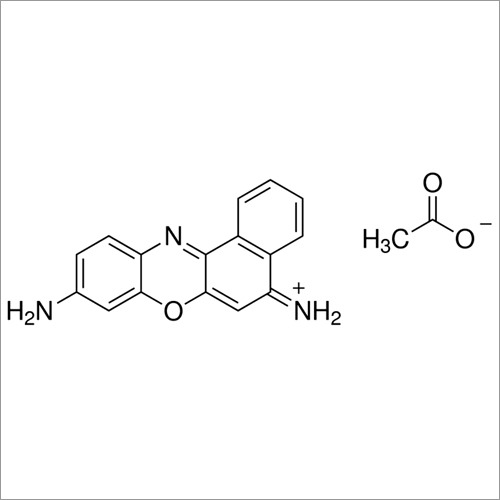

Price:
- 50
- 100
- 200
- 250
- 500
- 1000+

More Products in Lab Chemicals Category
Pan Indicator
Price 1 INR / Kilograms
Minimum Order Quantity : 25 Kilograms
Ph Level : Indicator: pH 1.2 (orange) to pH 2.8 (pink)
Grade : Analytical Reagent (AR)
Molecular Formula : C15H11N3O
Properties : Pan Indicator is a pH indicator with color change from orange to pink; sharp color transition, stable under normal lab conditions
Benzamide
Price 1 INR / Kilograms
Minimum Order Quantity : 25 Kilograms
Ph Level : Neutral
Grade : Chemical Grade
Molecular Formula : C7H7NO
Properties : White crystalline compound, stable under normal conditions
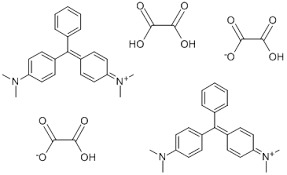
Malachite Green Oxalate
Price 1 INR / Kilograms
Minimum Order Quantity : 25 Kilograms
Ph Level : Neutral to slightly basic
Grade : Laboratory, Industrial
Molecular Formula : C23H25N2O2
Properties : Strong coloring agent, stable under normal conditions, high affinity for textiles
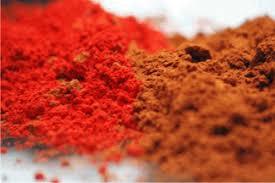
Chromotrope 2r
Price 1 INR / Kilograms
Minimum Order Quantity : 25 Kilograms
Ph Level : 6.0 7.0
Grade : Industrial grade
Molecular Formula : C16H10N2Na2O8S2
Properties : High purity, excellent solubility in water, bright color

GST : 27AARCA1049D1ZS


|
 |
KARAN LABORATES
All Rights Reserved.(Terms of Use) Developed and Managed by Infocom Network Private Limited. |
