





 Send Inquiry
Acetanilide
Price 1 INR/ Kilograms
Acetanilide Specification
- CAS No
- 103-84-4
- Molecular Formula
- C8H9NO
- Taste
- Slightly bitter
- HS Code
- 29242920
- Solubility
- Slightly soluble in water, soluble in hot water, ethanol, ether, and benzene
- Density
- 1.219 Gram per cubic centimeter(g/cm3)
- Usage
- Used in the manufacture of medicines, dyes, and as a stabilizer
- Storage
- Store in a cool, dry, and well-ventilated area away from incompatible substances
- Molecular Weight
- 135.16 g/mol
- Poisonous
- Yes, toxic when ingested in high quantities
- Appearance
- White to off-white crystals or powder
- Shape
- Crystalline
- Physical Form
- Powder
- Shelf Life
- 3 years under recommended storage conditions
- Ph Level
- Neutral (6.5-7.5)
- Grade
- Industrial, Laboratory
- Smell
- Odorless
- Melting Point
- 113-115C
- EINECS No
- 203-150-7
- Application
- Pharmaceutical intermediate, rubber accelerator, dye and dye intermediate, stabilizer for hydrogen peroxide
- Product Type
- Organic Compound
- Structural Formula
- C6H5NHCOCH3
- Properties
- White crystalline solid, stable under recommended storage conditions, non-hygroscopic
- Ingredients
- Acetanilide
- Purity
- 99%
- Synonyms
- N-Phenylacetamide, Acetanilidum, N-Acetylaniline
- Incompatibility
- Strong oxidizing agents
- Precautionary Statement
- Use gloves, protective clothing and eye/face protection
- Transport Information
- Non-hazardous as per IATA/IMDG/ADR
- Stability
- Stable under normal conditions
- Hazard Statement
- Harmful if swallowed or in contact with skin
- Flash Point
- 196C
- EC Number
- 203-150-7
- Packing
- 25 kg / 50 kg bags or as required
- Boiling Point
- 304C (decomposes)
Acetanilide Trade Information
- Minimum Order Quantity
- 25 Kilograms
- Supply Ability
- 100 Kilograms Per Week
- Delivery Time
- 1 Week
About Acetanilide
ACETANILIDE
Features:
- Accurate pH value
- High effectiveness
- Non-toxic nature
- Longer shelf life
Versatile Industrial Applications
Acetanilide serves as a key intermediate in multiple industries, principally pharmaceuticals and dyes. Its chemical stability and solubility profile allow it to function effectively in manufacturing processes that demand high purity and specific reactivity. Additionally, it acts as a stabilizer for hydrogen peroxide and finds use in rubber acceleration.
Handling and Storage Guidelines
For safety, Acetanilide should always be handled using gloves, protective clothing, and eye protection. Store the solid in a cool, well-ventilated, and dry area, away from strong oxidizing agents. These precautions maintain the products integrity and reduce exposure risk, ensuring safe storage over its recommended shelf life of three years.
Physical and Chemical Properties
Acetanilide appears as a white crystalline solid with a neutral pH of 6.5-7.5. It is non-hygroscopic and stable under ordinary conditions. With slight solubility in water, but good solubility in hot water, ethanol, and other solvents, it offers utility across various chemical processes. Its odorless and slightly bitter properties are characteristic identifiers.
FAQs of Acetanilide:
Q: How is Acetanilide commonly used in industry?
A: Acetanilide is primarily used as an intermediate in pharmaceutical manufacturing, dye production, and in the formulation of rubber accelerators and hydrogen peroxide stabilizers.Q: What safety precautions should be taken when handling Acetanilide?
A: Always wear gloves, appropriate protective clothing, and eye or face protection to avoid skin contact or accidental ingestion, as Acetanilide is harmful if swallowed or absorbed through the skin.Q: Where should Acetanilide be stored to ensure longevity and safety?
A: The product should be stored in a cool, dry, and well-ventilated area, away from incompatible substances like strong oxidizing agents, to maintain stability and extend its shelf life up to three years.Q: When is Acetanilide considered hazardous during transport?
A: Under current regulations (IATA/IMDG/ADR), Acetanilide is classified as non-hazardous for transport, provided it is packaged as specified (typically in 25 kg or 50 kg bags).Q: What benefits does Acetanilide offer as a process intermediate?
A: Acetanilides high purity (99%) and stable crystalline form make it ideal for synthesizing pharmaceutical compounds, dyes, and for use where chemical stability is crucial.Q: How should accidental exposure to Acetanilide be managed?
A: In case of skin contact or ingestion, immediately wash the affected area thoroughly and seek medical advice, as the substance is toxic when absorbed or ingested.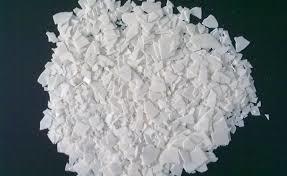

Price:
- 50
- 100
- 200
- 250
- 500
- 1000+

More Products in Lab Chemicals Category

Biphenyl Carbazide
Price 1 INR / Kilograms
Minimum Order Quantity : 25 Kilograms
Purity : 98% minimum
Properties : Stable under normal conditions, sensitive to light, handle with care
Ingredients : Biphenyl Carbazide
EINECS No : 2179442
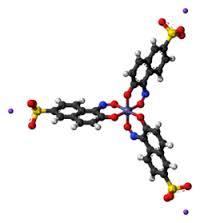
Naphthol Green B
Price 1 INR / Kilograms
Minimum Order Quantity : 25 Kilograms
Purity : 98%
Properties : High solubility in water, strong coloring strength, excellent lightfastness, nonflammable
Ingredients : Naphthol Green B
EINECS No : 2427103
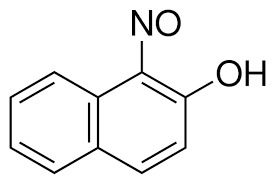
1 Nitroso 2 - Naphthol
Price 1 INR / Kilograms
Minimum Order Quantity : 25 Kilograms
Purity : 98% Minimum
Properties : Strong chelating agent for various metal ions; stable under recommended storage; exhibits nitroso functional group reactivity.
Ingredients : 1 Nitroso 2 Naphthol
EINECS No : 2112189
Fast Sulfone Black F
Price 1 INR / Kilograms
Minimum Order Quantity : 25 Kilograms
Purity : 99%
Properties : High color strength, good solubility in water, moderate fastness properties
Ingredients : Sulfonebased azo compound
EINECS No : 2155213

GST : 27AARCA1049D1ZS


|
 |
KARAN LABORATES
All Rights Reserved.(Terms of Use) Developed and Managed by Infocom Network Private Limited. |
