




 Send Inquiry
Alloxan Hydrate
Price 1 INR/ Kilograms
Alloxan Hydrate Specification
- EINECS No
- 218-866-5
- Solubility
- Soluble in water
- Poisonous
- YES
- CAS No
- 2244-11-3
- Usage
- Used in chemical synthesis and medical research
- Appearance
- White crystalline powder
- Purity
- 98%
- Shape
- Crystalline
- Properties
- White solid, stable under normal conditions, oxidizing agent
- Application
- Laboratory reagent, chemical research, diabetes research
- Smell
- Odorless
- HS Code
- 29335990
- Structural Formula
- Included in reference image
- Melting Point
- 255 °C (decomposes)
- Molecular Weight
- 160.09 g/mol
- Shelf Life
- 2 years if properly stored
- Physical Form
- Powder
- Grade
- Laboratory Grade
- Storage
- Store in a cool, dry place, tightly sealed container
- Product Type
- Organic Compound
- Ingredients
- Alloxan hydrate
- Molecular Formula
- C4H2N2O4·H2O
- Boiling Point
- Not applicable (decomposes before boiling)
- Compatibility
- Incompatible with strong oxidizing or reducing agents
- Precautions
- Use gloves and protective eyewear, avoid dust formation
- Packaging
- HDPE bottle or as specified by customer
- Decomposition Products
- Nitrogen oxides, carbon oxides
- Hazards
- Toxic, irritant, harmful if inhaled, swallowed or in contact with skin
- Stability
- Stable under recommended storage conditions
- Synonyms
- Alloxan monohydrate, Alloxan hydrate
Alloxan Hydrate Trade Information
- Minimum Order Quantity
- 25 Kilograms
- Supply Ability
- 100 Kilograms Per Week
- Delivery Time
- 1 Week
About Alloxan Hydrate
ALLOXAN HYDRATE
Features:
- Longer shelf life
- Precise pH value
- Accurate composition
- Non-toxic
Properties and Composition
Alloxan Hydrate appears as a white, odorless, crystalline powder with a molecular formula of C4H2N2O4H2O. With a melting point of 255C (decomposes) and a molecular weight of 160.09 g/mol, it is classified as an oxidizing agent and is soluble in water. It is non-volatile, decomposing before reaching its boiling point.
Safe Handling and Storage
Due to its toxic properties and potential for irritation, it is essential to wear gloves and protective eyewear when working with Alloxan Hydrate. Avoid creating or inhaling dust, and always use it inside a well-equipped laboratory. To maintain its stability and quality, store in a cool, dry place in a tightly sealed HDPE bottle, away from strong oxidizing or reducing agents.
Beneficial Applications in Research
Alloxan Hydrate is widely utilized as a laboratory reagent in chemical and medical research. A significant application lies in diabetes research, where it is used to induce diabetes in animal models for experimental studies. Its reliable performance and high purity make it a preferred choice in diverse scientific investigations.
FAQs of Alloxan Hydrate:
Q: How should Alloxan Hydrate be stored and handled in the laboratory?
A: Store Alloxan Hydrate in a tightly sealed container, preferably an HDPE bottle, in a cool and dry environment. Always use gloves and protective eyewear, and avoid generating dust. Handle the powder with care, and prevent contact with skin, eyes, or respiratory tract.Q: What are the main uses of Alloxan Hydrate in research and industry?
A: Alloxan Hydrate serves primarily as a laboratory reagent in chemical synthesis and medical research. It is especially prominent in diabetes research for inducing experimental diabetes in animal models.Q: What safety precautions are necessary while working with Alloxan Hydrate?
A: Always wear suitable gloves and protective eyewear. Use the powder in a well-ventilated laboratory or under a fume hood, and avoid inhaling dust or allowing skin or eye contact. Clean up any spills promptly and dispose of waste according to safety guidelines.Q: Where is Alloxan Hydrate typically packaged, and how is it supplied?
A: It is commonly packaged in HDPE bottles to maintain product integrity and safety. However, packaging may be customized based on customer specifications.Q: What should be avoided when storing or using Alloxan Hydrate?
A: Avoid exposure to strong oxidizing or reducing agents, as these may destabilize the compound. Also, prevent excess moisture or heat exposure, and ensure the container remains tightly closed when not in use.Q: When does Alloxan Hydrate decompose, and what are its decomposition products?
A: Alloxan Hydrate decomposes at around 255C before boiling, producing nitrogen oxides and carbon oxides as decomposition products.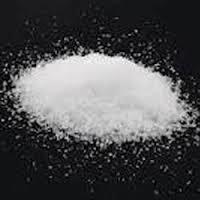

Price:
- 50
- 100
- 200
- 250
- 500
- 1000+

More Products in Lab Chemicals Category
Acridine Orange Base
Price 1 INR / Kilograms
Minimum Order Quantity : 25 Kilograms
Structural Formula : See main chemical reference
Melting Point : 273C
Density : 1.2 Gram per cubic centimeter(g/cm3)
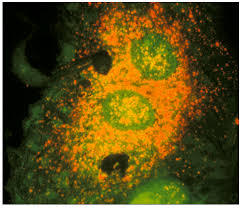
Properties : Stains acidic and basic cell components; Fluorescent under UV light
Acid Black 2
Price 1 INR / Kilograms
Minimum Order Quantity : 25 Kilograms
Structural Formula : Available on request
Melting Point : >300C (decomposes)
Density : 1.25 Gram per cubic centimeter(g/cm3)
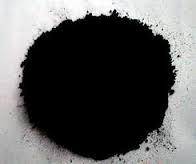
Properties : Soluble in water, strong coloring ability, stable under acidic conditions, good fastness
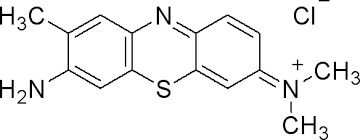
Toluidine Blue O
Price 1 INR / Kilograms
Minimum Order Quantity : 25 Kilograms
Structural Formula : (Image structure not available in text format)
Melting Point : 138140C
Density : 0.99 Gram per cubic centimeter(g/cm3)
Properties : Basic dye, metachromatic staining, high tinctorial strength
N Phenylanthranilic Acid
Price 1 INR / Kilograms
Minimum Order Quantity : 25 Kilograms
Structural Formula : PhNHC6H4COOH
Melting Point : 165168C
Density : 1.25 Gram per cubic centimeter(g/cm3)
Properties : High purity, stable under normal conditions, aromatic amine derivative

GST : 27AARCA1049D1ZS


|
 |
KARAN LABORATES
All Rights Reserved.(Terms of Use) Developed and Managed by Infocom Network Private Limited. |
