




 Send Inquiry
Para Rosaniline Base
Price 1 INR/ Kilograms
Para Rosaniline Base Specification
- CAS No
- 632-99-5
- Shape
- Crystalline
- Purity
- 99%
- Ingredients
- Para Rosaniline Base (C19H17N3)
- Smell
- Characteristic
- Grade
- Industrial Grade
- Application
- Used in biological staining, dye manufacture, laboratory reagent
- EINECS No
- 211-189-6
- Product Type
- Chemical Compound
- Physical Form
- Powder
- Shelf Life
- 2 years in proper storage
- Poisonous
- Yes, toxic if ingested or inhaled
- Solubility
- Soluble in alcohol and slightly soluble in water
- HS Code
- 32041319
- Properties
- Stable, intensely colored, basic dye base; reactive to acids to form salts; sensitive to light
- Molecular Formula
- C19H17N3
- Storage
- Store in tightly sealed container, protected from light and moisture
- Appearance
- Greenish violet crystalline powder
- Molecular Weight
- 287.36 g/mol
- Usage
- As dye intermediate, microscopy stains, research
- Melting Point
- 184186C
- Structural Formula
- Refer to C19H17N3 structure
- Environmental Impact
- Hazardous to aquatic life
- Transport Regulation
- UN No. 2811, Hazard class 6.1
- IUPAC Name
- 4-[(4-aminophenyl)(imino)methyl]-2-methylaniline
- Handling Precaution
- Use PPE, avoid inhalation and skin contact
- Packaging
- Plastic drum or fiber drum with liner, 25kg net each
- Stability
- Stable under recommended storage conditions
- Hazard Class
- 6.1 (Toxic substances)
- Color Index Number
- 42500
- Boiling Point
- Decomposes before boiling
Para Rosaniline Base Trade Information
- Minimum Order Quantity
- 25 Kilograms
- Supply Ability
- 100 Kilograms Per Week
- Delivery Time
- 1 Week
About Para Rosaniline Base
PARA ROSANILINE BASE
Features:
- Accurate pH value
- High effectiveness
- Non-toxic nature
- Longer shelf life
Applications and Key Uses
Para Rosaniline Base finds extensive usage in biological staining, dye manufacturing, and as a laboratory reagent. Its vibrant color and chemical reactivity make it ideal for use as a dye intermediate and research tool, especially in microscopy where precise staining is fundamental for visualization.
Safety and Handling Precautions
Due to its classification as a toxic substance (Hazard Class 6.1, UN No. 2811), use of personal protective equipment (PPE) is essential. Avoid direct inhalation and skin contact, and ensure storage in sealed containers protected from light and moisture for optimal safety and stability.
Chemical and Physical Properties
The product appears as greenish violet crystals with a characteristic odor, melting at 184186C and decomposing before boiling. It is soluble in alcohol, slightly in water, and displays intense coloration, reacting with acids to form salts. Stability and purity are assured under recommended storage conditions.
FAQs of Para Rosaniline Base:
Q: How should Para Rosaniline Base be safely handled and stored?
A: Para Rosaniline Base should be handled using appropriate personal protective equipment (PPE) to prevent inhalation and skin contact. Store it in tightly sealed containers, away from light and moisture, to maintain stability and extend its shelf life up to two years.Q: What are the main industrial and laboratory uses of Para Rosaniline Base?
A: This compound is primarily used in biological staining, dye manufacture, and as a laboratory reagent. It serves as a dye intermediate, is valuable in microscopy for staining purposes, and is commonly utilized in research laboratories.Q: Where is Para Rosaniline Base typically exported from and how is it packaged?
A: Para Rosaniline Base is exported, manufactured, and supplied from India. It is packaged in plastic or fiber drums with liners, each containing 25kg net weight, ensuring safe transport and storage conditions.Q: What benefits does Para Rosaniline Base offer in scientific applications?
A: Its stability, intense coloration, and reactivity with acids to form salts make Para Rosaniline Base highly effective for staining in biological and chemical research. These properties contribute to enhanced visualization and accurate results in microscopy and laboratory experiments.Q: What are the recommended precautions during transport and disposal of Para Rosaniline Base?
A: As a toxic substance (Hazard Class 6.1, UN No. 2811), Para Rosaniline Base should be transported in compliant packaging, avoiding leaks or exposure. Disposal must conform to local regulations since it poses risks to aquatic life and the environment.Q: When does Para Rosaniline Base start to lose stability or effectiveness?
A: Para Rosaniline Base remains stable for up to two years if stored correctly, protected from light and moisture. After this period, or if improperly stored, its effectiveness and color properties may diminish.Q: How does Para Rosaniline Base react in the presence of acids or light?
A: The compound reacts with acids to form salts, altering its properties for specific applications. It is sensitive to light, which can affect its coloration and stability; therefore, protection from light during storage and handling is necessary.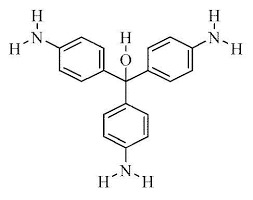

Price:
- 50
- 100
- 200
- 250
- 500
- 1000+

More Products in Lab Chemicals Category
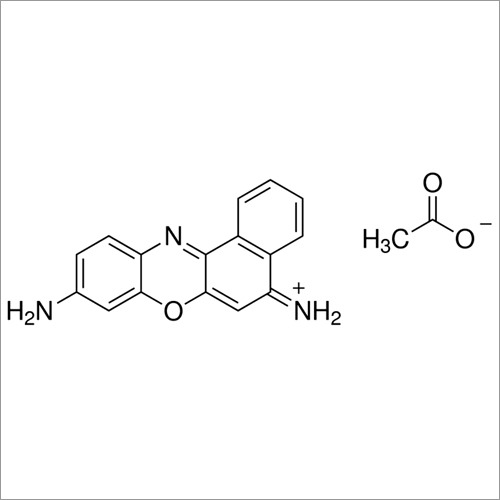
Cresyl Violet Acetate
Minimum Order Quantity : 25 Kilograms
Appearance : Violet to purple crystalline powder
Storage : Other, Store tightly closed in a cool, dry place, protected from light
Molecular Weight : 339.8 g/mol
Usage : Used for staining neurons (Nissl substance) and in bacteriology
Eriochrome Cyanine R
Price 1 INR / Kilograms
Minimum Order Quantity : 25 Kilograms
Appearance : Dark green powder
Storage : Other, Store in tightly closed container, in a cool and dry place, away from strong oxidizing agents
Molecular Weight : 558.49 g/mol
Usage : Used for staining myelin and nerve fibers in histology, as a metal indicator in analytical chemistry
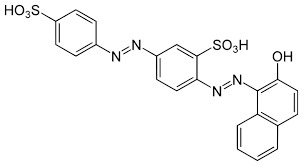
Biebrich Scarlet
Price 1 INR / Kilograms
Minimum Order Quantity : 25 Kilograms
Appearance : Dark red powder
Storage : Other, Store in tightly sealed container in cool, dry, ventilated place, away from light
Molecular Weight : 509.45 g/mol
Usage : Commonly used as a laboratory stain for microscopy and for dyeing textiles
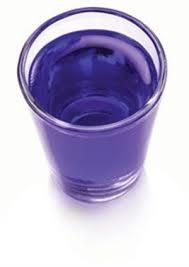
Ethyl Violet
Price 1 INR / Kilograms
Minimum Order Quantity : 25 Kilograms
Appearance : Dark violet powder
Storage : Other, Keep container tightly closed, store in cool, dry place
Molecular Weight : 492.14 g/mol
Usage : Used in cytology and bacteriology

GST : 27AARCA1049D1ZS


|
 |
KARAN LABORATES
All Rights Reserved.(Terms of Use) Developed and Managed by Infocom Network Private Limited. |
