




 Send Inquiry
Azur A
Price 1 INR/ Kilograms
Azur A Specification
- Appearance
- Greenish-blue to dark blue powder
- Purity
- 98%
- Melting Point
- 280282C (decomposes)
- Grade
- Analytical Reagent (AR) Grade
- Smell
- Odorless
- Physical Form
- Powder
- HS Code
- 3204.9000
- Structural Formula
- Refer to C15H13ClN6
- CAS No
- 531-53-3
- Molecular Weight
- 312.76 g/mol
- Product Type
- Chemical Compound
- Application
- Biological stains, Laboratory research, Histology
- Ingredients
- Azur A (C15H13ClN6) Synthetic organic dye
- Usage
- Staining nucleic acids and blood smears
- Storage
- Store in a cool, dry place away from light
- Properties
- High-purity laboratory dye; Stains nucleic acids for microscopy and clinical diagnostics
- Solubility
- Soluble in water and ethanol
- Poisonous
- Yes, handle with care
- Shelf Life
- 5 years in sealed container
- EINECS No
- 208-541-1
- Shape
- Solid
- Molecular Formula
- C15H13ClN6
- Execution Standard
- Complies with AR grade specifications
- Emission Color
- Blue
- Stability
- Stable under recommended conditions
- Pack Size
- 25 g, 100 g
- Transport Information
- Not classified as hazardous for transport
- Disposal
- Dispose of in accordance with local regulations
- Hazard Statement
- H302: Harmful if swallowed
- Certificate of Analysis
- Available on request
- UN Number
- Not regulated
- Safety Data
- Irritant; avoid contact with skin and eyes
Azur A Trade Information
- Minimum Order Quantity
- 25 Kilograms
- Supply Ability
- 100 Kilograms Per Week
- Delivery Time
- 1 Week
About Azur A
Features:
- Longer shelf life
- Precise pH value
- Accurate composition
- Non-toxic
High-Purity Laboratory Dye for Clinical Research
Azur A stands out as a reliable, high-purity stain for nucleic acid visualization in laboratory and clinical settings. Compliant with AR grade standards, its stable composition ensures reproducible results for histological and cytological analysis. The product is widely utilized in research laboratories, pathology labs, and diagnostic centers due to its consistent quality and effectiveness.
Safe Handling and Storage Practices
To ensure safety, Azur A should only be handled with protective equipment since it can cause irritation and is harmful if ingested. It requires storage in a cool, dry place away from light to maintain its stability and efficacy. Though not classified as hazardous for transport and non-regulated by UN standards, appropriate disposal in line with local regulations is essential.
FAQs of Azur A :
Q: How should Azur A be used for staining nucleic acids or blood smears?
A: To use Azur A for staining, dissolve the dye in either water or ethanol, as it is soluble in both. Apply the prepared solution to your biological sample, then proceed with standard histological or clinical staining protocols. Ensure all laboratory safety guidelines are followed during preparation and application.Q: What are the main benefits of using Azur A in laboratory applications?
A: Azur A offers high-purity staining with consistent results, making it highly effective for visualizing nucleic acids and blood smears under a microscope. Its compliance with AR grade specifications assures minimal impurities, enhancing the reliability of clinical and research diagnostics.Q: When should the product be replaced and how long does it last?
A: Azur A boasts a shelf life of up to five years when stored in a sealed container in cool, dry conditions away from light. Replace the product if you notice changes in appearance or past its expiration date to guarantee optimal staining performance.Q: Where should Azur A be stored to maintain its stability?
A: Store Azur A in a cool, dry location, protected from direct light. Keeping the container tightly sealed helps preserve its chemical stability and prevents contamination or degradation over time.Q: What safety precautions are important when handling Azur A?
A: Azur A is an irritant and harmful if swallowed. Avoid contact with skin and eyes by using proper personal protective equipment such as gloves and eye protection. Handle with care, following safety protocols as outlined in the safety data sheet.Q: How do I dispose of Azur A after use?
A: Dispose of Azur A according to local environmental regulations. Do not discard it with regular waste; instead, follow your institutions chemical disposal procedures to ensure responsible and safe handling of laboratory chemicals.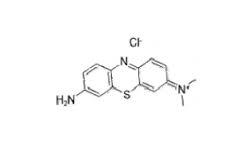

Price:
- 50
- 100
- 200
- 250
- 500
- 1000+

More Products in Lab Chemicals Category
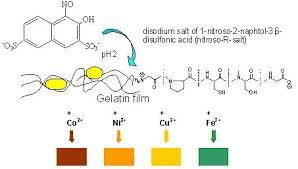
Nitroso R Salt
Price 1 INR / Kilograms
Minimum Order Quantity : 25 Kilograms
Molecular Formula : C10H5NNaO7S2
Shape : other, Crystalline
EINECS No : 2048573
Shelf Life : 2 years
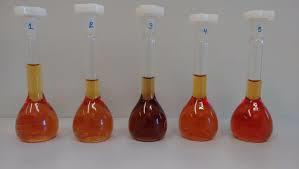
Eriochrome Cyanine R
Price 1 INR / Kilograms
Minimum Order Quantity : 25 Kilograms
Molecular Formula : C23H16N2Na2O8S2
Shape : other, Fine crystalline
EINECS No : 2226574
Shelf Life : 5 years if properly stored
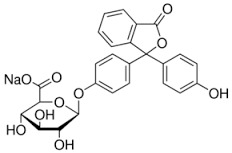
Phenolphthalein Disodium Salt
Price 1 INR / Kilograms
Minimum Order Quantity : 25 Kilograms
Molecular Formula : C20H12O4Na2
Shape : other, Solid
EINECS No : 2536684
Shelf Life : 5 years when properly stored

Diphenylamine Ar
Price 1 INR / Kilograms
Minimum Order Quantity : 25 Kilograms
Molecular Formula : C12H11N
Shape : other, Crystalline powder
EINECS No : 2045394
Shelf Life : 36 months

GST : 27AARCA1049D1ZS


|
 |
KARAN LABORATES
All Rights Reserved.(Terms of Use) Developed and Managed by Infocom Network Private Limited. |
