




 Send Inquiry
Janus Green
Price 1 INR/ Kilograms
Janus Green Specification
- Molecular Weight
- 511.06 g/mol
- Appearance
- Greenish-blue crystalline powder
- Properties
- Janus Green is a basic dye that changes color based on its oxidation state; blue in the oxidized state and pink when reduced. It is sensitive to light and moisture.
- Purity
- ~98%
- Poisonous
- YES
- Storage
- Store in a cool, dry, and dark place. Protect from light and moisture.
- Density
- 1.3 Gram per cubic centimeter(g/cm3)
- Grade
- Laboratory Grade
- Solubility
- Soluble in water and ethanol
- Ph Level
- Not applicable as solid; solutions are typically neutral to slightly basic
- EINECS No
- 220-674-1
- Shelf Life
- 36 months in sealed container under recommended conditions.
- Ingredients
- Janus Green B base compound
- Smell
- Odorless or very faint
- HS Code
- 3204.13
- Physical Form
- Powder
- Application
- Used as a histological stain, vital stain for mitochondria, and as a redox indicator in biology and microscopy.
- Melting Point
- >200°C (decomposes)
- Usage
- Laboratory analytical reagent, staining biological tissues, mitochondrial staining.
- Molecular Formula
- C30H31ClN6
- CAS No
- 2869-83-2
- Shape
- Crystals or powder
- Product Type
- Dye
- Structural Formula
- [Structural formula image not displayable in text]
- Staining Characteristics
- Stains mitochondria blue (oxidized) or pink (reduced)
- Hazard Information
- Harmful if swallowed; causes skin, eye, and respiratory irritation
- Stability
- Stable under recommended storage conditions; degrades under strong acids, bases, and prolonged exposure to light
- pKa
- Approximately 9.3
- Disposal Methods
- Dispose of in accordance with local environmental regulations
- Packing
- Available in 25g, 100g, and custom pack sizes
- Boiling Point
- Not applicable, decomposes
- Light Sensitivity
- Sensitive, store protected from direct light
- Dye Class
- Thiazine dye
Janus Green Trade Information
- Minimum Order Quantity
- 25 Kilograms
- Supply Ability
- 100 Kilograms Per Week
- Delivery Time
- 1 Week
About Janus Green
JANUS GREEN
Features:
- Accurate pH value
- High effectiveness
- Non-toxic nature
- Longer shelf life
Dynamic Staining Properties
Janus Green stands out for its ability to distinctly color mitochondria: blue in the oxidized form and pink when reduced. This facilitates vital differentiation in histological and cellular studies, supporting accurate assessment of mitochondrial integrity and cell physiology in research laboratories.
Safe Handling and Storage
Due to its sensitivity to light and moisture, Janus Green should always be stored in a cool, dry, and dark space, protected from direct light. Proper storage not only maintains its stability and purity of approximately 98%, but also extends its effective shelf life to up to 36 months.
Versatile Laboratory Applications
Janus Green serves as a robust staining and analytical reagent in biological, microscopy, and histological settings. Its solubility in water and ethanol, along with its visually distinctive color changes, make it suitable for a variety of laboratory protocols, particularly for marking living mitochondria and acting as a redox indicator.
FAQs of Janus Green:
Q: How is Janus Green used in biological laboratories?
A: Janus Green is primarily utilized as a vital stain for mitochondria in live cells, and as a histological stain in tissue samples. It also acts as a redox indicator, changing color based on its oxidation state to aid in cellular and tissue analysis.Q: What are the recommended storage conditions for Janus Green?
A: Janus Green should be stored in a sealed container in a cool, dark, and dry place. It is light-sensitive and hygroscopic, so protecting it from moisture and direct light will help preserve its stability and extend its shelf life.Q: When should Janus Green be disposed of, and how is it done safely?
A: Janus Green must be disposed of in accordance with local environmental regulations after its shelf life or when degraded. Consult with your facilitys safety and environmental personnel to ensure proper handling and disposal, following local or national guidelines.Q: Where can Janus Green be applied effectively?
A: Janus Green is effective in laboratories for staining mitochondria, cell or tissue samples, and in experiments that require a redox indicator. Its color change properties are particularly useful in microscopy and cellular metabolism studies.Q: What processes are involved in staining with Janus Green?
A: Staining involves preparing a solution of Janus Green in water or ethanol, applying it to living or fixed samples, and observing the mitochondrial stainingblue if oxidized, pink if reducedwhich indicates mitochondrial activity or integrity.Q: What are the main benefits of using Janus Green?
A: The key benefits include its ability to vividly indicate mitochondrial condition, its usefulness as a redox indicator, and its effectiveness in both routine and advanced biological staining applications. Its color-change response provides clear, visual data for researchers.Q: Is Janus Green hazardous, and what precautions should be taken?
A: Yes, Janus Green is harmful if swallowed and can cause skin, eye, and respiratory irritation. Wear appropriate protective equipment (gloves, goggles, lab coat) and work in a well-ventilated area. Avoid inhalation and direct contact with skin or eyes.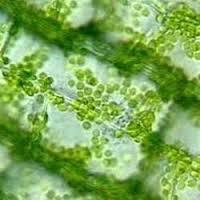

Price:
- 50
- 100
- 200
- 250
- 500
- 1000+

More Products in Lab Chemicals Category
Agar Agar
Price 1 INR / Kilograms
Minimum Order Quantity : 25 Kilograms
Molecular Weight : ~336.26 g/mol
Storage : Other, Store in cool, dry place; keep container tightly closed
Appearance : White to pale yellow powder
Properties : Odorless, tasteless, and forms a gel in water; high gelling strength
3 Hydroxyl Amino Admantane
Price 1 INR / Kilograms
Minimum Order Quantity : 25 Kilograms
Molecular Weight : 167.25 g/mol
Storage : Other, Store in a cool, dry place, protected from light and moisture
Appearance : White to offwhite crystalline powder
Properties : High purity, stable, nonhygroscopic, slightly basic compound
Hematoxylin
Price 1 INR / Kilograms
Minimum Order Quantity : 25 Kilograms
Molecular Weight : 302.28 g/mol
Storage : Other, Store in a cool, dry place in tightly sealed containers
Appearance : Dark brown to black crystalline powder
Properties : Water soluble; Stains cell nuclei blueviolet
Bromo Phenol Blue Sodium Salt
Price 1 INR / Kilograms
Minimum Order Quantity : 25 Kilograms
Molecular Weight : 669.96 g/mol
Storage : Other, Store in a cool, dry place, tightly closed container, away from light
Appearance : Purple to dark brown powder
Properties : pH indicator, dye, highly sensitive to pH changes, exhibits distinct color changes from yellow to blue over pH range 3.0 to 4.6.

GST : 27AARCA1049D1ZS


|
 |
KARAN LABORATES
All Rights Reserved.(Terms of Use) Developed and Managed by Infocom Network Private Limited. |
