




 Send Inquiry
Acridine Yellow G
Price 1 INR/ Kilograms
Acridine Yellow G Specification
- EINECS No
- 205-205-5
- Application
- Biological staining, fluorescence microscopy, research, indicator
- Structural Formula
- Refer to published chemical structure of Acridine Yellow G
- Shape
- Crystalline
- Poisonous
- YES
- Usage
- Used as a staining reagent in histology and microbiology, indicator in analytical chemistry
- Density
- 1.3 Gram per cubic centimeter(g/cm3)
- Storage
- Store in cool, dry place, protect from light
- CAS No
- 135-49-9
- Shelf Life
- At least 2 years if properly stored
- Molecular Formula
- C17H19N3
- Smell
- Odorless
- Appearance
- Yellow to orange powder
- Ingredients
- Acridine Yellow G (C.I. 46025)
- Ph Level
- Neutral to slightly basic in aqueous solution
- Solubility
- Soluble in water, ethanol
- Purity
- 90%
- Grade
- Analytical Reagent Grade
- HS Code
- 320413
- Properties
- Fluorescent dye; highly soluble in water; sensitive to light
- Product Type
- Organic Dye
- Melting Point
- 242-244C
- Physical Form
- Powder
- Molecular Weight
- 265.36 g/mol
- Refractive Rate
- Not applicable (solid)
- Taste
- Bitter
- Safety Precautions
- Use gloves and eye protection, avoid inhalation and ingestion
- Light Stability
- Stable under standard laboratory lighting; decomposes upon prolonged exposure to strong light
- Maximum Absorption (max)
- 445 nm in aqueous solution
- Toxicity
- Handle with care; can be harmful if swallowed or inhaled
- Packaging
- Sealed bottles, typically 10 g and 25 g packs
- Fluorescence Emission
- ~500 nm (green fluorescence)
- pKa
- 11.0
- Synonyms
- Acridine Yellow, Basic Yellow 2, C.I. 46025
Acridine Yellow G Trade Information
- Minimum Order Quantity
- 25 Kilograms
- Supply Ability
- 100 Kilograms Per Week
- Delivery Time
- 1 Week
About Acridine Yellow G
ACRIDINE YELLOW G
Features:
- Longer shelf life
- Precise pH value
- Accurate composition
- Non-toxic
Applications in Science and Research
Acridine Yellow G serves as a vital staining reagent in histology and microbiology. Its strong fluorescence makes it a valuable indicator in fluorescence microscopy and other research settings. The dyes neutral to slightly basic nature allows for flexibility in various analytical protocols where high sensitivity is required.
Handling and Safety Precautions
Due to its toxic and poisonous properties, Acridine Yellow G should be handled with gloves and eye protection; inhalation and ingestion must be avoided. Though it is stable in standard laboratory lighting, it decomposes under intense light, so storage in cool, dry, and dark conditions is key to maintaining quality. Always use sealed bottles and follow laboratory safety guidelines.
Product Packaging and Storage
Acridine Yellow G is provided in secure, sealed bottles, typically in 10 g and 25 g sizes. To maximize shelf life, store the powder in a cool, dry environment protected from strong light and moisture. Proper storage ensures a minimum shelf life of two years, preserving both purity and performance for successive applications.
FAQs of Acridine Yellow G:
Q: How is Acridine Yellow G safely handled during laboratory use?
A: Acridine Yellow G should be handled using gloves and eye protection to avoid skin or eye contact. Prevent inhalation and ingestion by working in a well-ventilated area and using appropriate protective equipment. Always follow standard laboratory safety procedures due to its toxic properties.Q: What are the main applications for Acridine Yellow G in scientific research?
A: Acridine Yellow G is primarily used as a staining reagent in histology and microbiology, as well as an indicator in analytical chemistry. Its fluorescence properties make it ideal for fluorescence microscopy and related research purposes.Q: When should Acridine Yellow G be protected from light exposure?
A: Acridine Yellow G is stable under regular laboratory lighting but decomposes when exposed to strong, prolonged light. Always store the product in a shaded or dark place to preserve its chemical integrity and fluorescence efficiency.Q: Where should Acridine Yellow G be stored for maximum shelf life?
A: Store Acridine Yellow G in a cool, dry place, protected from light and moisture, and in its original sealed bottle. This ensures a shelf life of at least two years and maintains product purity.Q: What benefits does Acridine Yellow G provide in fluorescence microscopy?
A: Acridine Yellow G offers intense green fluorescence emission at around 500 nm, making it highly effective for visualizing biological specimens and enhancing contrast in fluorescence microscopy applications.Q: Can Acridine Yellow G be used as an indicator in analytical processes?
A: Yes, Acridine Yellow G is used as an indicator in analytical chemistry due to its distinct absorption (445 nm) and fluorescence properties, helping to visualize microscopic and chemical changes effectively.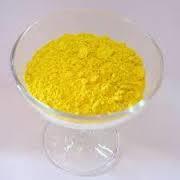

Price:
- 50
- 100
- 200
- 250
- 500
- 1000+

More Products in Lab Chemicals Category
Methyl Voilet
Price 1 INR / Kilograms
Minimum Order Quantity : 25 Kilograms
Shelf Life : 36 months
Molecular Formula : C24H28ClN3
Smell : Other, Odorless
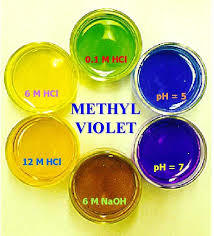
Appearance : Dark Violet Crystalline Powder
3 Hydroxyl Amino Admantane
Price 1 INR / Kilograms
Minimum Order Quantity : 25 Kilograms
Shelf Life : 24 months in unopened packaging
Molecular Formula : C10H17NO
Smell : Other, Odorless or faint characteristic odor
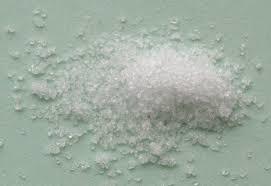
Appearance : White to offwhite crystalline powder
Sodium Cobaltinitrate Lr
Price 1 INR / Kilograms
Minimum Order Quantity : 25 Kilograms
Shelf Life : 2 years if properly stored
Molecular Formula : Na3Co(NO2)6
Smell : Other, Odorless
Appearance : Yellow Powder
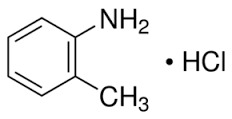
O Tolidine Hydrochloride
Price 1 INR / Kilograms
Minimum Order Quantity : 25 Kilograms
Shelf Life : 2 years
Molecular Formula : C14H16Cl2N2
Smell : Other, Characteristic amine odor
Appearance : Yellowish to light brown crystalline powder

GST : 27AARCA1049D1ZS


|
 |
KARAN LABORATES
All Rights Reserved.(Terms of Use) Developed and Managed by Infocom Network Private Limited. |
