




 Send Inquiry
Thiomalic Acid
Price 1 INR/ Kilograms
Thiomalic Acid Specification
- Molecular Formula
- C4H6O4S
- Properties
- White to off-white crystalline powder, hygroscopic, thiol-containing dicarboxylic acid, similar to malic acid but with one SH group replacing a OH group.
- Application
- Reducing agent, metal chelator, intermediate in organic synthesis, biochemical research
- Usage
- Used in laboratory research, synthesis of pharmaceuticals, chelating agent for heavy metals, and in analytical chemistry
- Appearance
- White or off-white crystalline powder
- Shelf Life
- 2 years under recommended storage
- Ph Level
- 1.2 (0.01M solution)
- Melting Point
- 186-188C
- Physical Form
- Powder
- CAS No
- 79-42-5
- Product Type
- Organic Acid
- Poisonous
- No (but handle with care as with all chemicals)
- Ingredients
- Thiomalic Acid (Mercaptosuccinic Acid)
- Smell
- Slight characteristic odor
- Shape
- Crystalline
- Storage
- Store in airtight container, protected from moisture and light, at room temperature
- Taste
- Sour or acidic
- Structural Formula
- HOOC-CH2-CH(SH)-COOH
- Molecular Weight
- 150.15 g/mol
- Grade
- Industrial, Laboratory
- HS Code
- 29309099
- Solubility
- Soluble in water, slightly soluble in alcohol, insoluble in ether
- EINECS No
- 201-205-4
- Density
- 1.69 Gram per cubic centimeter(g/cm3)
- Refractive Rate
- Not applicable (solid)
- Purity
- >98%
- Boiling Point
- Decomposes before boiling
- Hazard Class
- Not classified as hazardous under GHS
- Stability
- Stable under recommended storage conditions
- Ecological Information
- Harmful to aquatic life in high concentrations, avoid release to environment
- Synonyms
- Mercaptosuccinic acid, 2-Mercaptosuccinic acid
- Packaging
- 25 kg fiber drum or as required
- Regulatory Status
- REACH registered
- Handling Precautions
- Use with adequate ventilation, avoid dust formation, avoid contact with skin and eyes
- pKa
- 3.2 (COOH1), 9.5 (COOH2), 10.5 (SH)
Thiomalic Acid Trade Information
- Minimum Order Quantity
- 25 Kilograms
- Supply Ability
- 100 Kilograms Per Week
- Delivery Time
- 1 Week
About Thiomalic Acid
THIOMALIC ACID
Features:
- Longer shelf life
- Accurate pH value
- Highly reactive
- Better chemical stability
Key Characteristics and Physical Properties
Thiomalic Acid appears as a white to off-white crystalline powder, with a slightly acidic taste and faint odor. Its stability is maintained only in airtight containers, protected from moisture and light, stored at room temperature. It is soluble in water, enabling versatile usage in biochemistry and synthesis, and features a melting point of 186-188C. The molecular structure consists of a thiol (-SH) group replacing a hydroxyl group found in malic acid.
Applications and Uses
Widely employed as a reducing agent, metal chelator, and intermediate for pharmaceuticals, Thiomalic Acid finds utility in biochemical research and analytical chemistry. Its ability to bind heavy metals makes it valuable for purification processes, while its reactivity supports organic synthesis pathways. Available in industrial and laboratory grades with >98% purity, it is distributed in fiber drums or customized packaging.
FAQs of Thiomalic Acid:
Q: How should Thiomalic Acid be handled and stored for safety and longevity?
A: Thiomalic Acid should be handled in well-ventilated areas to prevent dust formation and skin or eye contact. For optimal shelf life and stability, store it in airtight containers protected from moisture and light, at room temperature.Q: What are the main applications and benefits of using Thiomalic Acid in research or industry?
A: Thiomalic Acid serves as a powerful reducing agent and metal chelator, facilitating heavy metal removal and organic synthesis. Its use in pharmaceutical intermediate production and biochemical research offers both chemical reactivity and analytical advantages.Q: When does Thiomalic Acid decompose, and does it boil or melt?
A: Thiomalic Acid decomposes before reaching its boiling point and melts at temperatures around 186-188C, requiring careful temperature management during processing.Q: Where can Thiomalic Acid be utilized, and in what grades is it available?
A: Thiomalic Acid is used globally in laboratories, manufacturing facilities, and research institutes for industrial or laboratory applications. Available grades include industrial and laboratory with purity above 98%.Q: What precautions are necessary to prevent environmental harm from Thiomalic Acid?
A: To avoid ecological damage, prevent Thiomalic Acid from entering waterways or soil, as high concentrations can harm aquatic life. Implement protocols to restrict environmental release during use and disposal.Q: Is Thiomalic Acid officially regulated, and what is its hazard classification?
A: Thiomalic Acid is REACH registered, and under GHS regulations, it is not classified as hazardous. However, appropriate handling and storage measures must still be observed.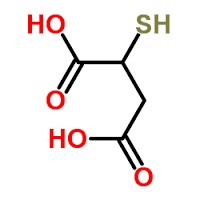

Price:
- 50
- 100
- 200
- 250
- 500
- 1000+

More Products in Lab Chemicals Category
Dithizone 98%
Price 1 INR / Kilograms
Minimum Order Quantity : 25 Kilograms
Purity : 98%
EINECS No : 2004646
Solubility : Insoluble in water, soluble in organic solvents such as chloroform, carbon tetrachloride, and benzene.
HS Code : 2930 90 99
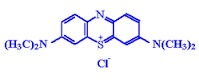
Methylene Blue Zinc Free
Price 1 INR / Kilograms
Minimum Order Quantity : 25 Kilograms
Purity : >99%
EINECS No : 2005152
Solubility : Easily soluble in water and alcohol
HS Code : 32041319
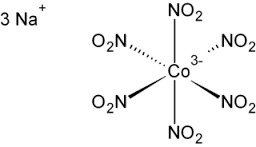
Sodium Cobaltinitrate Ar
Price 1 INR / Kilograms
Minimum Order Quantity : 25 Kilograms
Purity : ~99%
EINECS No : 2373633
Solubility : Soluble in water
HS Code : 28429090
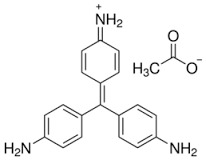
Para Rosaniline Acetate
Price 1 INR / Kilograms
Minimum Order Quantity : 25 Kilograms
Purity : 99%
EINECS No : 2111896
Solubility : Soluble in water, slightly soluble in alcohol
HS Code : 32041339

GST : 27AARCA1049D1ZS


|
 |
KARAN LABORATES
All Rights Reserved.(Terms of Use) Developed and Managed by Infocom Network Private Limited. |
