




 Send Inquiry
Aniline Blue
Price 1 INR/ Kilograms
Aniline Blue Specification
- HS Code
- 3204
- Molecular Weight
- 693.73 g/mol
- Molecular Formula
- C32H25N3Na2O9S3
- Product Type
- Organic Dye
- EINECS No
- 249-353-0
- Application
- Biological stains, microscopy, histology
- Smell
- Odorless
- CAS No
- 28631-66-5
- Properties
- Aniline Blue is a mixture of methyl blue and water blue, used as a biological stain and acid dye. It is water soluble.
- Ingredients
- Aromatic hydrocarbons, aniline group compounds
- Melting Point
- Decomposes before melting
- Structural Formula
- [C32H25N3Na2O9S3]
- Poisonous
- Non-poisonous but may cause irritation
- Purity
- >98%
- Solubility
- Soluble in water
- Physical Form
- Powder
- Appearance
- Dark blue powder
- Density
- 1.6 Gram per cubic centimeter(g/cm3)
- Grade
- Laboratory, Analytical Reagent
- Usage
- Staining plant and animal tissue, cytology, demonstrating callose
- Ph Level
- Approximately neutral (pH 7)
- Shelf Life
- 36 months
- Shape
- Crystalline powder
- Storage
- Store in tightly closed containers in a cool, dry place, protected from light
- Packaging
- HDPE Bottles/Drums
- Stability
- Stable under normal storage conditions
- pH of 1% Solution
- ~7
- Hazard Class
- Not classified as hazardous
- UN Number
- Not regulated
- First Aid Measures
- In case of contact, rinse with water; seek medical attention if irritation persists
- Compatibility
- Compatible with most biological staining protocols
- Boiling Point
- Not applicable (decomposes)
- Colour Index Number
- C.I. 42755
- Ecotoxicity
- Low environmental hazard
- Disposal
- Dispose of according to local environmental regulations
Aniline Blue Trade Information
- Minimum Order Quantity
- 25 Kilograms
- Supply Ability
- 100 Kilograms Per Week
- Delivery Time
- 1 Week
About Aniline Blue
Features:
- Longer shelf life
- Precise pH value
- Accurate composition
- Non-toxic
High-Performance Biological Stain
Aniline Blue delivers excellent consistency and vivid coloration for precise staining in cytology, histology, and microscopy. Its compatibility with most biological staining protocols ensures reliable results across a wide array of laboratory applications.
Safety and Storage Assurance
This product is not classified as hazardous and poses a low environmental risk. Aniline Blue should be stored in tightly sealed containers, away from light and moisture, ensuring stability over a 36-month shelf life.
Reliable Quality and Applications
Manufactured with over 98% purity, Aniline Blue is available as a laboratory-grade analytical reagent. It is ideal for staining plant and animal tissues, visualizing callose, and supporting detailed cellular investigations.
FAQs of Aniline Blue:
Q: How should Aniline Blue be stored to maintain its stability?
A: Aniline Blue should be kept in tightly closed containers made from HDPE, placed in a cool, dry location, and shielded from direct light to ensure maximum shelf life and stability for up to 36 months.Q: What is the primary benefit of using Aniline Blue in biological staining?
A: Its high solubility, neutral pH, and vivid staining properties make Aniline Blue exceptionally useful for highlighting plant and animal tissue structures in microscopy and histology, improving visibility and differentiation of cellular components.Q: What are the recommended first aid measures in case of contact with Aniline Blue?
A: If Aniline Blue comes into contact with skin or eyes, rinse thoroughly with water. If any irritation persists, seek prompt medical attention.Q: When and where should Aniline Blue be disposed of?
A: Dispose of Aniline Blue according to local environmental regulations to ensure responsible handling. Do not release into the environment or sewer systems.Q: How is Aniline Blue typically used in laboratory applications?
A: Aniline Blue is commonly used to stain plant and animal tissues, facilitate cytological studies, and demonstrate callose in plant cells, making it integral to many biological and microscopic analyses.Q: What assurances are there regarding the environmental impact of Aniline Blue?
A: Aniline Blue is classified as having low environmental hazard and is not regulated as hazardous or poisonous, making it a safe option for laboratory use with appropriate disposal methods.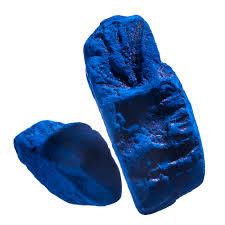

Price:
- 50
- 100
- 200
- 250
- 500
- 1000+

More Products in Lab Chemicals Category
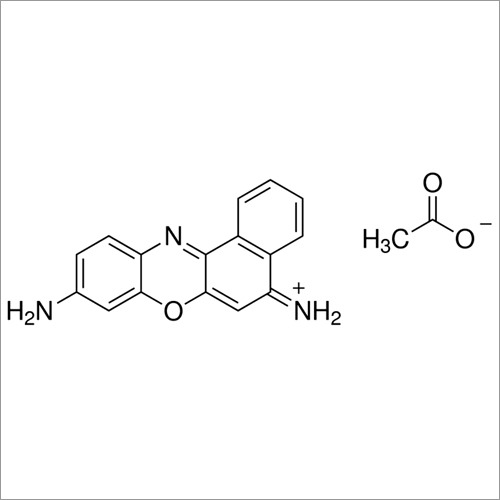
Cresyl Violet Acetate
Minimum Order Quantity : 25 Kilograms
Grade : Laboratory Grade
Usage : Used for staining neurons (Nissl substance) and in bacteriology
Storage : Other, Store tightly closed in a cool, dry place, protected from light
Shelf Life : 5 years in proper storage
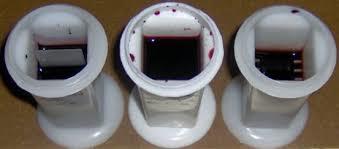
Hematoxylin
Price 1 INR / Kilograms
Minimum Order Quantity : 25 Kilograms
Grade : Laboratory Reagent Grade
Usage : Used as a dye and histological stain
Storage : Other, Store in a cool, dry place in tightly sealed containers
Shelf Life : 36 Months
Ammonium Ceric Sulphate Lr
Price 1 INR / Kilograms
Minimum Order Quantity : 25 Kilograms
Grade : LR (Laboratory Reagent)
Usage : Used as oxidizing agent and titrant in laboratory
Storage : Other, Store in tightly sealed container, away from moisture and organic material
Shelf Life : 24 36 months (if properly stored)
Bromo Cresol Green Sodium Salt
Price 1 INR / Kilograms
Minimum Order Quantity : 25 Kilograms
Grade : Analytical Grade
Usage : Used as a pH indicator in titrations and cell culture media
Storage : Other, Store in a cool, dry place, tightly sealed
Shelf Life : 5 years if properly stored

GST : 27AARCA1049D1ZS


|
 |
KARAN LABORATES
All Rights Reserved.(Terms of Use) Developed and Managed by Infocom Network Private Limited. |
