




 Send Inquiry
Diacetyl Monoxime
Price 1 INR/ Kilograms
Diacetyl Monoxime Specification
- Poisonous
- YES
- Storage
- Store in a cool, dry, and well-ventilated area, away from light
- Smell
- Characteristic
- Properties
- Stable under normal conditions; sensitive to light and oxidizing agents
- Product Type
- Organic Compound
- Structural Formula
- CH3C(=NOH)COCH3
- Physical Form
- Powder
- Purity
- >98%
- Melting Point
- 74-76°C
- CAS No
- 57-71-6
- Appearance
- White to off-white crystalline powder
- Shape
- Crystalline
- Grade
- Laboratory / Analytical Grade
- Usage
- Laboratory reagent for urea and nitrite esters detection
- Density
- 1.03 Gram per cubic centimeter(g/cm3)
- Shelf Life
- 2 years in original sealed packaging
- HS Code
- 2924 19 00
- Application
- Used in colorimetric determination of urea; chemical synthesis; analytical chemistry
- EINECS No
- 200-347-8
- Ingredients
- Diacetyl Monoxime
- Solubility
- Soluble in water, ethanol, ether
- Molecular Weight
- 101.10 g/mol
- Molecular Formula
- C4H7NO2
- Stability
- Stable under recommended storage conditions
- Hazard Class
- 6.1 (toxic substances)
- Boiling Point
- 184C (decomposes)
- Handling Precautions
- Use proper laboratory safety equipment; avoid inhalation and contact with skin
- UN Number
- 2811
- Packaging
- Sealed HDPE bottles or containers
- Synonyms
- 2,3-Butanedione monoxime; DAMO
- Flash Point
- 68C (closed cup)
Diacetyl Monoxime Trade Information
- Minimum Order Quantity
- 25 Kilograms
- Supply Ability
- 100 Kilograms Per Week
- Delivery Time
- 1 Week
About Diacetyl Monoxime
We are an unparalleled name engaged in offering premium quality DIACETYL MONOXIME . Under most favorable conditions, it is processed by our deft professionals using excellent quality chemicals at our advanced processing unit. The offered chemical is widely used in coloration of nucleic acids. Moreover, we offer this DIACETYL MONOXIME in different packaging options as per the needs of clients at nominal rates.
Features:
- Accurate pH value
- High effectiveness
- Non-toxic nature
- Longer shelf life
Superior Analytical Reagent for Laboratories
Diacetyl Monoxime is trusted in laboratories for its reliable performance in urea and nitrite detection. Its crystalline structure and high purity (>98%) result in accurate and reproducible analyses, making it indispensable for scientific research and chemical analysis.
Safe Storage and Handling Guidelines
This chemical must be stored in cool, dry, and well-ventilated areas, away from direct light, to prevent degradation. Sealed HDPE containers help ensure stability. Always utilize recommended safety equipment, avoid skin contact, and prevent inhalation to minimize health risks.
Versatile Applications in Chemistry
Due to its solubility in water, ethanol, and ether, Diacetyl Monoxime integrates seamlessly into various chemical processes. Its primary application is in colorimetric detection, but it is also valuable for chemical synthesis and broader analytical procedures.
FAQs of Diacetyl Monoxime:
Q: How should Diacetyl Monoxime be safely handled in laboratory settings?
A: Use appropriate laboratory safety equipment such as gloves, lab-coats, and eye protection. Avoid inhalation and direct skin contact as the substance is toxic. Work in a well-ventilated area and follow all standard safety procedures.Q: What are the recommended storage conditions for Diacetyl Monoxime?
A: Store Diacetyl Monoxime in a cool, dry, and well-ventilated area, away from light and sources of oxidizing agents. Keep the product sealed in HDPE bottles or containers to ensure its stability and extend its shelf life.Q: When is Diacetyl Monoxime typically used in the laboratory?
A: It is most commonly used during the colorimetric determination of urea and in the detection of nitrite esters. Its use spans routine analytical chemistry tasks and specialized chemical synthesis processes.Q: Where can Diacetyl Monoxime be applied outside urea detection?
A: Beyond urea estimation, Diacetyl Monoxime finds application in chemical synthesis, analytical chemistry, and other laboratory-based procedures due to its solubility and reactivity.Q: What process is involved in using Diacetyl Monoxime for urea determination?
A: Diacetyl Monoxime reacts with urea in a sample to produce a colored complex, allowing for quantitative measurement through colorimetric analysis. This process is valued for its accuracy and simplicity in laboratory testing.Q: What are the benefits of using high-purity Diacetyl Monoxime in analysis?
A: High-purity Diacetyl Monoxime ensures consistent results, higher sensitivity, and accuracy during laboratory experiments, reducing the risk of interference from impurities.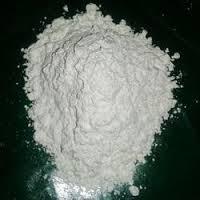

Price:
- 50
- 100
- 200
- 250
- 500
- 1000+

More Products in Lab Chemicals Category
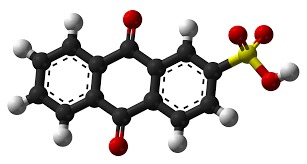
Anthraquinone 2 Sulfonic Acid
Price 1 INR / Kilograms
Minimum Order Quantity : 25 Kilograms
Usage : Used as an intermediate in manufacturing textile dyes, especially anthraquinone and azo dyes
Shelf Life : 2 years if stored properly
Appearance : Yellow crystalline powder
CAS No : 98420
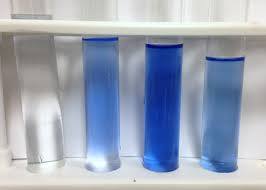
Thymolphthalein
Price 1 INR / Kilograms
Minimum Order Quantity : 25 Kilograms
Usage : Used as a pH indicator, particularly for strong base titrations
Shelf Life : 5 years if properly stored
Appearance : White to pale yellow crystalline powder
CAS No : 125202
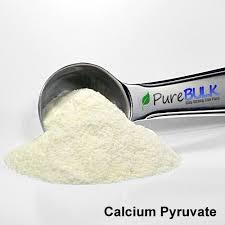
Calcium Pyruvate
Price 1 INR / Kilograms
Minimum Order Quantity : 25 Kilograms
Usage : Used in weight management, athletic performance supplements
Shelf Life : 2 years
Appearance : White to offwhite powder
CAS No : 52009140
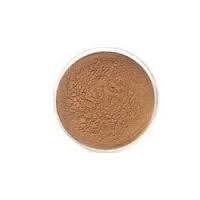
1 Amino 2 Naphthol 4 Sulfonic Acid
Price 1 INR / Kilograms
Minimum Order Quantity : 25 Kilograms
Usage : Ammonia dye manufacture, diazo dye intermediate, organic synthesis
Shelf Life : 2 years under recommended storage
Appearance : Offwhite to light brown powder
CAS No : 119288

GST : 27AARCA1049D1ZS


|
 |
KARAN LABORATES
All Rights Reserved.(Terms of Use) Developed and Managed by Infocom Network Private Limited. |
