




 Send Inquiry
Diethyl Safranine
Price 1 INR/ Kilograms
MOQ : 25 Kilograms
Diethyl Safranine Specification
- Product Type
- Synthetic Organic Dye
- CAS No
- 477-91-6
- Molecular Formula
- C22H19N4Cl
- Density
- 1.18 Gram per cubic centimeter(g/cm3)
- Molecular Weight
- 374.87 g/mol
- Grade
- Analytical Grade
- Poisonous
- Non-poisonous
- Properties
- Highly soluble in water, strong staining capacity, used in microscopy
- Melting Point
- 230°C
- Shape
- Crystalline
- HS Code
- 32041349
- Shelf Life
- 36 months
- Ingredients
- Diethyl Safranine
- Solubility
- Soluble in water and alcohol
- EINECS No
- 207-517-2
- Smell
- Odorless
- Appearance
- Reddish violet powder
- Taste
- Odorless
- Physical Form
- Powder
- Usage
- Used for staining of bacterial cells and tissues
- Ph Level
- 7 (neutral in aqueous solution)
- Application
- Biological staining, microscopy, laboratory reagent
- Structural Formula
- [C22H19N4Cl]
- Storage
- Store in a cool, dry place in tightly closed container
- Purity
- >99%
- Transport Information
- Not regulated as dangerous goods
- Color Index
- 50240
- Boiling Point
- Decomposes before boiling
- Manufacturing Process
- Synthesized via condensation and methylation reactions
- Staining Range
- Gram, nuclear, and bacterial stains
- Minimum Order Quantity
- 5 grams
- Hazard Class
- Non-hazardous
- Packing Type
- Plastic bottle or glass bottle
- Light Stability
- Good
Diethyl Safranine Trade Information
- Minimum Order Quantity
- 25 Kilograms
- Supply Ability
- 100 Kilograms Per Week
- Delivery Time
- 1 Week
About Diethyl Safranine
We are an unparalleled name engaged in offering premium quality DIETHYL SAFRANINE . Under most favorable conditions, it is processed by our deft professionals using excellent quality chemicals at our advanced processing unit. The offered chemical is widely used in coloration of nucleic acids. Moreover, we offer this DIETHYL SAFRANINE in different packaging options as per the needs of clients at nominal rates.
Features:
- Accurate pH value
- High effectiveness
- Non-toxic nature
- Longer shelf life
Superior Staining Capabilities for Laboratory Applications
Diethyl Safranine provides robust staining for bacterial cells, tissues, and nuclei, making it a preferred choice in biological and medical laboratories. Its consistent reddish violet color aids in clear visualization under microscopy. Suitable for Gram staining and nuclear staining, this powder demonstrates both reliability and clarity.
Safe, Stable, and Easy to Handle
With a non-hazardous classification and non-poisonous nature, Diethyl Safranine ensures safety during usage and transport. Its good light stability and neutral pH enhance performance without endangering users or degrading over time. Packaging in plastic or glass bottles secures the product for long-term storage and easy handling.
Analytical Grade Purity and Quality
Tested to exceed 99% purity, Diethyl Safranine meets rigorous analytical standards. Soluble in both water and alcohol, it allows for flexibility across different staining protocols. Manufactured via precise condensation and methylation reactions, it maintains physical and chemical integrity for reliable laboratory results.
FAQs of Diethyl Safranine:
Q: How is Diethyl Safranine used in laboratory staining procedures?
A: Diethyl Safranine is primarily employed for staining bacterial cells and tissues in microscopy. It is dissolved in water or alcohol and applied to biological samples, enhancing visualization in Gram, nuclear, and other specialized stains.Q: What are the benefits of using Diethyl Safranine compared to other stains?
A: Diethyl Safranine offers strong staining capacity and high solubility, coupled with excellent light stability and safety. Its vivid coloration and analytical grade purity help achieve accurate and reproducible results during microscopy.Q: When should Diethyl Safranine be chosen for staining applications?
A: Select Diethyl Safranine when you require a reliable, non-hazardous stain for Gram, nuclear, or bacterial procedures, especially where analytical grade quality and high water solubility are essential.Q: Where should Diethyl Safranine be stored to maintain quality?
A: Diethyl Safranine should be stored in a cool, dry environment in tightly closed plastic or glass containers to ensure its quality remains uncompromised throughout its 36-month shelf life.Q: What is the minimum order quantity for Diethyl Safranine?
A: The minimum order quantity for Diethyl Safranine is 5 grams, making it accessible for research institutions and laboratories that require small, precise amounts.Q: Is Diethyl Safranine classified as a hazardous chemical for transport?
A: No, Diethyl Safranine is not regulated as a dangerous good and is classified as non-hazardous for transportation, facilitating domestic and international shipping without special packaging requirements.Q: What is the manufacturing process for Diethyl Safranine?
A: Diethyl Safranine is synthesized through controlled condensation and methylation reactions, ensuring purity and consistent physical form suitable for analytical and laboratory use.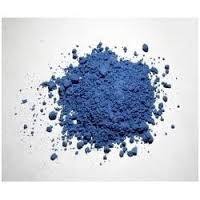
Tell us about your requirement

Price:
Quantity
Select Unit
- 50
- 100
- 200
- 250
- 500
- 1000+
Additional detail
Mobile number
Email

More Products in Lab Chemicals Category
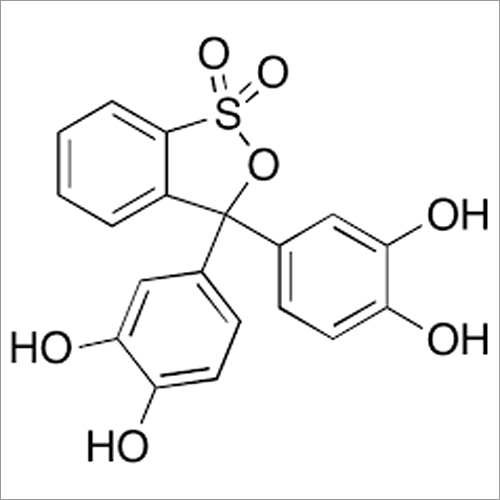
Pyrocatechol Violet
Minimum Order Quantity : 25 Kilograms
Molecular Formula : C19H14O7S.Na
Molecular Weight : 408.37 g/mol
CAS No : 115413
Product Type : Organic Compound

Nitro Tetrazolium
Price 1 INR / Kilograms
Minimum Order Quantity : 25 Kilograms
Molecular Formula : C40H30Cl2N10O6
Molecular Weight : 817.64 g/mol
CAS No : 298839
Product Type : Nitro Tetrazolium
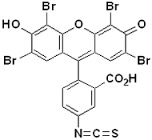
2, 4, 5, 7 Tetrabromo Fluorescein
Price 1 INR / Kilograms
Minimum Order Quantity : 25 Kilograms
Molecular Formula : C20H8Br4O5
Molecular Weight : 646.89 g/mol
CAS No : 509342
Product Type : Laboratory Reagent Dye
Indigo Carmine
Price 1 INR / Kilograms
Minimum Order Quantity : 25 Kilograms
Molecular Formula : C16H8N2Na2O8S2
Molecular Weight : 466.36 g/mol
CAS No : 860220
Product Type : Synthetic Food Color

Contact Us !!
ARNISH LABORATES PRIVATE LIMITED.
GST : 27AARCA1049D1ZS
GST : 27AARCA1049D1ZS

202, 2nd Floor, Modi House, Bajaj Cross Road, Kandivali (West),Mumbai - 400067, Maharashtra, India
Phone :08045478920

Mr Harnish Juthani
(Director)
Mobile :08045478920
|
 |
KARAN LABORATES
All Rights Reserved.(Terms of Use) Developed and Managed by Infocom Network Private Limited. |
