



 Send Inquiry
Sodium Azide
Price 1 INR/ Kilograms
Sodium Azide Specification
- Structural Formula
- NaN3
- Ph Level
- 8-10 (1% solution)
- Product Type
- Inorganic Compound
- EINECS No
- 247-852-1
- Shelf Life
- 24 months (unopened, proper storage)
- Physical Form
- Powder
- Usage
- In labs for chemical synthesis and as a preservative, industrially in airbag propellants.
- Appearance
- White crystalline powder
- HS Code
- 28500013
- Purity
- 99%
- Ingredients
- Sodium Azide (NaN3)
- Grade
- Reagent Grade
- Properties
- White, odorless, crystalline powder; highly toxic; decomposes explosively on shock, friction, or heat; soluble in water and ammonia.
- Shape
- Crystalline
- Smell
- Odorless
- Taste
- Not applicable (toxic substance)
- CAS No
- 26628-22-8
- Poisonous
- YES
- Density
- 1.85 Gram per cubic centimeter(g/cm3)
- Storage
- Store in a cool, dry, well-ventilated area away from heat, sparks, and open flame. Keep container tightly closed.
- Application
- Laboratory reagent, preservative in labs, used in airbags, chemical synthesis.
- Molecular Formula
- NaN3
- Melting Point
- 275°C (decomposes)
- Molecular Weight
- 65.01 g/mol
- Solubility
- Soluble in water, slightly soluble in alcohol
- Hazard Codes
- T+ (Very toxic), N (Dangerous for the environment)
- Stability
- Stable under recommended storage conditions; may react vigorously with acids or heavy metals
- Incompatibilities
- Acids, heavy metals, halogenated hydrocarbons
- UN Number
- 1687
- Packaging
- Available in sealed HDPE bottles or drums
- Boiling Point
- Decomposes before boiling
Sodium Azide Trade Information
- Minimum Order Quantity
- 25 Kilograms
- Supply Ability
- 100 Kilograms Per Week
- Delivery Time
- 1 Week
About Sodium Azide
SODIUM AZIDE
Features:
- Longer shelf life
- Accurate pH value
- Highly reactive
- Better chemical stability
Exceptional Quality & High Purity
Our Sodium Azide offers a reagent-grade purity of 99%, making it ideal for sensitive laboratory and industrial applications. Carefully produced and packaged in sealed HDPE bottles or drums, it retains stability and quality over an extended 24-month shelf life when stored correctly. Its high solubility in water enhances its utility in various synthesis processes.
Critical Applications in Industry and Research
Sodium Azide serves as a crucial component in airbag propellants, ensuring rapid inflation during deployment. It is further valued in laboratories as a preservative and chemical reagent, supporting a wide range of scientific and industrial synthesis procedures. Its reliable performance under proper handling makes it indispensable in both fields.
Safe Handling and Storage
Given its high toxicity and propensity to explode upon shock or heat, Sodium Azide must be handled meticulously. Always store it in a cool, dry, and well-ventilated area, far from acids, heavy metals, or sources of ignition. Our packaging solutions and adherence to strict safety protocols ensure safe domestic and international supply.
FAQs of Sodium Azide:
Q: How should Sodium Azide be safely stored and handled?
A: Sodium Azide must be stored in tightly closed HDPE bottles or drums, in a cool, dry, and well-ventilated area away from heat, sparks, acids, heavy metals, and open flame. Handle this compound with specialized safety equipment and avoid friction, shock, or contact with incompatible substances.Q: What are the main industrial and laboratory uses of Sodium Azide?
A: Sodium Azide is primarily used as a propellant in automotive airbags due to its rapid gas-releasing properties upon decomposition. In laboratories, it acts as a preservative and a reagent in chemical synthesis, and is valued for its high purity and solubility in water.Q: When should I consider using Sodium Azide in my work?
A: Consider using Sodium Azide when you require a high-purity reagent for chemical synthesis, need a preservative in biological or chemical laboratories, or for industrial applications such as airbag manufacturing, provided all safety protocols and handling guidelines are strictly followed.Q: Where is Sodium Azide commonly supplied from and how is it packaged?
A: Sodium Azide is manufacturered and exported from India and is typically packaged in sealed high-density polyethylene (HDPE) bottles or drums to protect against moisture and contamination during storage and transport.Q: What is the process for using Sodium Azide as a laboratory reagent?
A: To use Sodium Azide as a laboratory reagent, dissolve the required amount in water or ammonia under a fume hood while employing proper personal protective equipment. All procedures should be conducted according to institutional and regulatory guidelines for hazardous chemicals.Q: What are the benefits of using Sodium Azide in airbags or laboratory applications?
A: In airbags, Sodium Azide enables rapid deployment by generating nitrogen gas upon decomposition, improving passenger safety. In laboratory and synthesis applications, its well-characterized reactivity and high purity contribute to consistent and reliable experimental outcomes.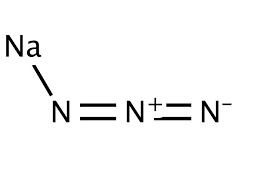

Price:
- 50
- 100
- 200
- 250
- 500
- 1000+

More Products in Lab Chemicals Category
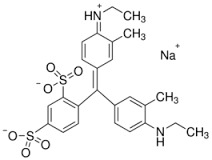
Xylene Cyanol Ff
Price 1 INR / Kilograms
Minimum Order Quantity : 25 Kilograms
CAS No : 2650171
Product Type : Chemical Dye / Stain
EINECS No : 2206072
Poisonous : Other, Nonpoisonous when handled properly, not for consumption
Tropaeolin O
Price 1 INR / Kilograms
Minimum Order Quantity : 25 Kilograms
CAS No : 547579
Product Type : Synthetic Organic Dye
EINECS No : 2089253
Poisonous : Other, Yes (toxic if ingested or inhaled; use caution)
Cupron
Price 1 INR / Kilograms
Minimum Order Quantity : 25 Kilograms
CAS No : 7758987
Product Type : Cupron Solution
EINECS No : 2318476
Poisonous : Other, Nonpoisonous if used as directed
Thymol Blue Sodium Salt
Price 1 INR / Kilograms
Minimum Order Quantity : 25 Kilograms
CAS No : 62625212
Product Type : Chemical
EINECS No : 2636537
Poisonous : Other, Nonpoisonous

GST : 27AARCA1049D1ZS


|
 |
KARAN LABORATES
All Rights Reserved.(Terms of Use) Developed and Managed by Infocom Network Private Limited. |
