




 Send Inquiry
Glycine
Price 1 INR/ Kilograms
Glycine Specification
- Smell
- Odorless
- Physical Form
- Powder
- Grade
- Pharmaceutical & Food Grade
- Solubility
- Soluble in water
- Shelf Life
- 36 months
- Storage
- Store in sealed container at room temperature, away from moisture and direct heat.
- EINECS No
- 200-272-2
- Appearance
- White crystalline powder
- Molecular Formula
- C2H5NO2
- Density
- 1.607 Gram per cubic centimeter(g/cm3)
- Shape
- Crystalline
- Application
- Pharmaceuticals, food additives, feed, cosmetic, chemical reagents
- Properties
- Crystalline, sweet-tasting, water-soluble solid. It is the simplest naturally occurring amino acid.
- Melting Point
- 233°C (decomposes)
- Ph Level
- 5.5 to 7.0 (1% solution)
- Poisonous
- Non-poisonous
- HS Code
- 29224910
- Molecular Weight
- 75.07 g/mol
- Ingredients
- Glycine
- Taste
- Slightly sweet
- Usage
- Nutritional supplement, buffer solution preparation, used in research and industry.
- CAS No
- 56-40-6
- Purity
- >99%
- Product Type
- Amino Acid
- Structural Formula
- NH2CH2COOH
- Moisture Content
- 0.2%
- Boiling Point
- Not applicable (decomposes before boiling)
- Identification
- Positive
- Heavy Metals
- 10 ppm
- Sulphate (SO4)
- 0.006%
- Packing Details
- 25 kg drum/carton/bag
- Minimum Order Quantity
- 25 kg
- Chloride (Cl)
- 0.007%
- ISO Certification
- ISO 9001:2015 Certified
- Loss on Drying
- 0.2%
- Lead Content
- 1 ppm
- Assay
- 99.0% - 101.0%
Glycine Trade Information
- Minimum Order Quantity
- 25 Kilograms
- Supply Ability
- 100 Kilograms Per Week
- Delivery Time
- 1 Week
About Glycine
Features:
- Accurate pH value
- High effectiveness
- Non-toxic nature
- Longer shelf life
Pharmaceutical & Food Grade Quality
Our Glycine is produced under strict ISO 9001:2015 certification, offering pharmaceutical and food-grade quality with an assay ranging from 99.0% to 101.0%. Each batch undergoes comprehensive quality checks for moisture content, heavy metals, and purity, ensuring safety and reliability for use in sensitive applications.
Versatile Applications and Usage
Glycines crystalline and water-soluble nature makes it suitable for a wide range of uses, including as a nutritional supplement, buffer solution in laboratories, food additive, animal feed component, and ingredient in cosmetics. Its slight sweetness and stability make it compatible with various formulations in both research and industry.
Safe Handling and Long-Lasting Shelf Life
Packaged in 25 kg drums, cartons, or bags, Glycine should be stored in a sealed container at ambient temperature, away from moisture and direct sunlight to preserve potency. When stored correctly, Glycine remains stable and effective for up to 36 months, offering flexibility for bulk purchases and extended use.
FAQs of Glycine:
Q: How should Glycine be stored to maintain its quality?
A: Glycine should always be kept in a tightly sealed container at room temperature, protected from moisture and direct sources of heat to preserve its crystalline structure and prevent degradation.Q: What applications and industries use Glycine?
A: Glycine is utilized in the pharmaceutical sector for its nutritional value, as a food additive, in animal feed, cosmetics, chemical reagents, and in buffer solution preparation for research and industrial processes.Q: What is the minimum order quantity and typical packaging for Glycine?
A: The minimum order quantity for Glycine is 25 kg, with packing options including drums, cartons, or bags, each designed to ensure safe storage and easy handling during transport.Q: What are the key benefits of using Glycine in formulations?
A: Glycine improves nutritional value, acts as a buffer in solutions, and enhances taste profiles in food products. Its purity and solubility make it particularly beneficial for pharmaceutical and food-grade uses.Q: How is the purity and safety of Glycine ensured?
A: Each batch of Glycine is rigorously tested for assay, moisture content, heavy metals, lead, chloride, and sulfate, guaranteeing compliance with stringent ISO 9001:2015 quality standards and ensuring it is safe for sensitive applications.Q: When does Glycine decompose, and why is boiling point not applicable?
A: Glycine decomposes at its melting point of 233C, so it does not have a conventional boiling point, as the compound breaks down before reaching a temperature at which it would boil.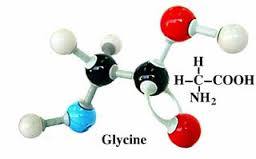

Price:
- 50
- 100
- 200
- 250
- 500
- 1000+

More Products in Lab Chemicals Category
Pyronin B
Price 1 INR / Kilograms
Minimum Order Quantity : 25 Kilograms
Purity : ~95%
CAS No : 92320
Usage : Use as a biological stain, microscopic dye, research reagent
Ingredients : Pyronin B base
16, 17 Vialonthrone
Price 1 INR / Kilograms
Minimum Order Quantity : 25 Kilograms
Purity : >99%
CAS No : 129168
Usage : For use as a pigment in industrial applications
Ingredients : Vialonthrone (Pigment Blue 24) C.I. 68912
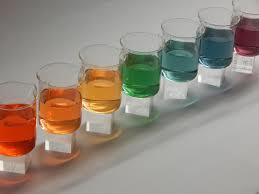
Universal Indicator (4-11 Ph)
Price 1 INR / Kilograms
Minimum Order Quantity : 25 Kilograms
Purity : Ready to use (not applicable, mixture)
CAS No : Not available (mixture of compounds)
Usage : Add a few drops to sample to test pH
Ingredients : Mixture of pH indicator dyes in water or ethanol
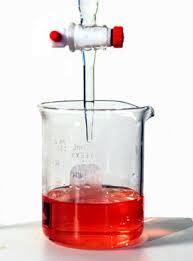
O-Cresolphthlalein
Price 1 INR / Kilograms
Minimum Order Quantity : 25 Kilograms
Purity : >98%
CAS No : 5768587
Usage : Used as a pH indicator in titrations, assessment of calcium in serum
Ingredients : oCresolphthalein

GST : 27AARCA1049D1ZS


|
 |
KARAN LABORATES
All Rights Reserved.(Terms of Use) Developed and Managed by Infocom Network Private Limited. |
