




 Send Inquiry
Thionine Acetate
Price 1 INR/ Kilograms
Thionine Acetate Specification
- Poisonous
- Yes, toxic
- Physical Form
- Powder
- Ingredients
- Thionine acetate salt
- Application
- Used as biological stain, redox indicator
- Appearance
- Dark blue to violet powder
- Structural Formula
- [C12H10N3S]ClCH3COOH
- Product Type
- Chemical Compound
- Molecular Formula
- C12H10ClN3SCH3COOH
- Grade
- Analytical Reagent (AR) Grade
- Usage
- Laboratory chemical for analytical and staining procedures
- Solubility
- Soluble in water and alcohol
- Taste
- Not determined
- CAS No
- 85-51-8
- Molecular Weight
- 355.83 g/mol (acetate salt)
- Shelf Life
- 24 months under proper storage
- Properties
- Cationic dye, biological stain, sensitive to light
- Ph Level
- 3.54.5 (1% solution)
- Shape
- Crystalline
- Storage
- Store in tightly closed container, away from light at 2-8C
- EINECS No
- 201-614-6
- Melting Point
- 270-273C (decomposes)
- Purity
- >97%
- HS Code
- 320415
- Smell
- Odorless
- Absorption Peak (max)
- 600 nm in aqueous solution
- Environmental Hazards
- Do not allow to enter drains or water courses
- Hazard Class
- Class 6.1 (Toxic substances)
- Flash Point
- Not flammable
- UN Number
- UN 2811
- Packing Type
- HDPE bottles or glass bottles
- Boiling Point
- Not applicable (decomposes before boiling)
- Stability
- Stable under normal storage conditions
- Disposal
- Dispose of according to local, state, and federal regulations
- Handling Precautions
- Avoid contact with skin and eyes, use personal protective equipment
Thionine Acetate Trade Information
- Minimum Order Quantity
- 25 Kilograms
- Supply Ability
- 100 Kilograms Per Week
- Delivery Time
- 1 Week
About Thionine Acetate
THIONINE ACETATE
Features:
- Longer shelf life
- Accurate pH value
- Highly reactive
- Better chemical stability
Superior Analytical Reagent for Laboratory Precision
Thionine Acetate stands out as an analytical reagent of over 97% purity, designed specifically for laboratory research and diagnostics. Its distinct spectral properties, with a sharp absorption peak at 600 nm, make it a reliable choice for staining biological samples and redox indication. Each batch is carefully processed to ensure consistent, reproducible results in various analytical protocols.
Safe Handling and Storage Key to Effective Use
Given its toxicity and light sensitivity, Thionine Acetate is packed in HDPE or glass bottles and should be handled only by trained staff equipped with proper protective gear. Store the powder in a tightly closed container, away from light, at 2-8C to maintain its quality over a shelf life of 24 months. Proper procedures protect both personnel and product integrity.
FAQs of Thionine Acetate:
Q: How should Thionine Acetate be handled and stored safely?
A: Thionine Acetate should always be handled wearing appropriate personal protective equipment such as gloves and safety goggles. To preserve its stability and efficacy, store it in a tightly closed container made of HDPE or glass, in a cool environment (2-8C) away from light exposure.Q: What is the primary use of Thionine Acetate in laboratories?
A: The main uses of Thionine Acetate include functioning as a biological stain for microscopy and histology, and serving as a redox indicator in analytical chemistry. Its cationic properties allow for precise staining of biological tissues and reliable detection in assays.Q: When is Thionine Acetate considered unstable or hazardous?
A: Thionine Acetate remains stable under recommended storage conditions but becomes hazardous if ingested, inhaled, or upon contact with skin and eyes. It is toxic (hazard class 6.1) and may decompose upon heating, so it should never be heated above its melting range (270-273C).Q: Where should Thionine Acetate not be disposed of?
A: Never allow Thionine Acetate to enter drains or water courses, as it is toxic to the environment. Follow local, state, and federal regulations for disposing of any waste or residual material.Q: What precautions should be taken during the use of Thionine Acetate?
A: Use Thionine Acetate in a well-ventilated lab area while wearing gloves, eye protection, and protective clothing. Prevent direct contact and avoid inhalation of dust. Keep the substance away from incompatible materials and protect it from light to prevent degradation.Q: What are the benefits of using Thionine Acetate as a biological stain?
A: Thionine Acetate delivers sharp staining outcomes due to its cationic nature, highlighting cellular structures with high clarity. Its precise absorption spectrum makes it particularly effective for visualizing specific cell types, improving observation and analysis in research and diagnostic procedures.

Price:
- 50
- 100
- 200
- 250
- 500
- 1000+

More Products in Lab Chemicals Category

Purpurin
Price 1 INR / Kilograms
Minimum Order Quantity : 25 Kilograms
Purity : >98%
Structural Formula : C14H8O5
HS Code : 3203.00.00
Smell : Other, Odorless
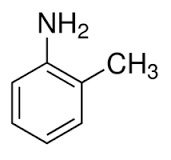
O Tolidine Base
Price 1 INR / Kilograms
Minimum Order Quantity : 25 Kilograms
Purity : >99%
Structural Formula : (CH3C6H4)2NH2
HS Code : 29215190
Smell : Other, No distinct smell
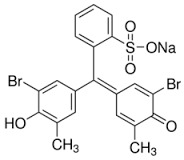
Bromo Cresol Purpule Sodium Salt
Price 1 INR / Kilograms
Minimum Order Quantity : 25 Kilograms
Purity : >98%
Structural Formula : Refer chemical structure image or C21H15Br2NaO5S
HS Code : 32041290
Smell : Other, Odorless
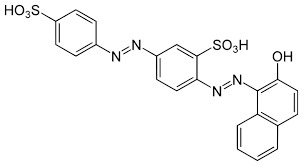
Biebrich Scarlet
Price 1 INR / Kilograms
Minimum Order Quantity : 25 Kilograms
Purity : >97%
Structural Formula : [See molecular structure of C.I. Acid Red 66]
HS Code : 32041200
Smell : Other, Odorless

GST : 27AARCA1049D1ZS


|
 |
KARAN LABORATES
All Rights Reserved.(Terms of Use) Developed and Managed by Infocom Network Private Limited. |
