




 Send Inquiry
Chloranillic Acid
Price 1 INR/ Kilograms
Chloranillic Acid Specification
- Application
- Intermediate for dyes, pigments, pharmaceuticals, and agrochemicals
- Molecular Formula
- C8H4Cl4O4
- HS Code
- 29173490
- Physical Form
- Powder
- Density
- 1.74 Gram per cubic centimeter(g/cm3)
- Structural Formula
- [Insert chemical structure diagram as per reference]
- EINECS No
- 201-766-1
- CAS No
- 87-90-1
- Smell
- Odorless
- Solubility
- Slightly soluble in water; soluble in organic solvents such as ethanol, acetone, and chloroform
- Usage
- Used in synthesis of chemical intermediates and special organics
- Storage
- Keep in tightly closed container; store in cool, dry and well-ventilated place
- Shape
- Granular/Crystalline
- Product Type
- Organic Compound
- Shelf Life
- 2 years from the date of manufacture
- Ingredients
- Chloranillic Acid
- Appearance
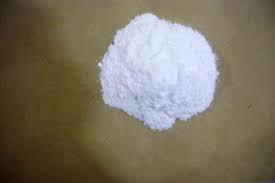
- Light Yellow to Pale Brown crystalline powder
- Poisonous
- YES
- Melting Point
- Over 250°C
- Refractive Rate
- Not determined
- Molecular Weight
- 323.93 g/mol
- Purity
- 98% min
- Grade
- Technical/Analytical
- Properties
- Chloranillic Acid is an aromatic compound; it is a chlorinated derivative of phthalic acid.
- Transport Condition
- Non-combustible, handle as hazardous chemical
- Safety Advice
- S36/37/39: Wear suitable protective clothing, gloves and eye/face protection
- Stability
- Stable under recommended storage conditions
- UN Number
- 3249
- EC No
- 201-766-1
- Risk Phrases
- R23/24/25: Toxic by inhalation, in contact with skin and if swallowed
- Boiling Point
- Decomposes before boiling
- Minimum Order Quantity
- 25 kilograms
- Hazard Class
- 6.1 (Toxic substances)
- Packaging Type
- HDPE drums or customized
- Synonyms
- 2,3,5,6-Tetrachloro-1,4-benzenedicarboxylic acid
Chloranillic Acid Trade Information
- Minimum Order Quantity
- 25 Kilograms
- Supply Ability
- 100 Kilograms Per Week
- Delivery Time
- 1 Week
About Chloranillic Acid
Features:
- Longer shelf life
- Precise pH value
- Accurate composition
- Non-toxic
Key Applications of Chloranillic Acid
Chloranillic Acid serves as an important intermediate in the synthesis of specialty organics, including dyes, pigments, pharmaceuticals, and agrochemicals. Its aromatic structure and chlorinated nature make it valuable in reactions that demand high purity and stability. Exporters and manufacturers primarily cater to industries in need of custom intermediates for further product development.
Safe Handling and Storage Guidelines
Due to its toxic nature, Chloranillic Acid should be handled only while wearing suitable protective clothing, gloves, and eye or face protection. Store in tightly closed containers in a cool, dry, and well-ventilated area to maintain stability and avoid contamination. It is supplied in HDPE drums and stability under proper storage can be assured for up to two years from manufacture.
FAQs of Chloranillic Acid:
Q: How should Chloranillic Acid be safely transported and stored?
A: Transport Chloranillic Acid in HDPE drums or customized packaging. It should be handled as a hazardous chemical and is non-combustible. Store it in tightly closed containers in a cool, dry, and well-ventilated environment to ensure stability and safety during storage and handling.Q: What are the main industrial applications of Chloranillic Acid?
A: Chloranillic Acid is primarily used as an intermediate in the manufacture of dyes, pigments, pharmaceuticals, and agrochemicals. Its purity and aromatic structure make it ideal for specialty organic synthesis in various industries.Q: When does Chloranillic Acid begin to decompose and what is its melting point?
A: Chloranillic Acid decomposes before reaching its boiling point and has a melting point exceeding 250C. It is stable under recommended storage conditions, which helps maintain product integrity.Q: Where is Chloranillic Acid produced and who are the typical suppliers?
A: Chloranillic Acid is manufactured and exported from India by specialized suppliers and exporters catering to chemical, pharmaceutical, and agricultural companies worldwide.Q: What protective measures are required when handling Chloranillic Acid?
A: It is necessary to wear suitable protective clothing, gloves, and eye or face protection when handling Chloranillic Acid due to its toxic nature. These safety precautions help reduce the risk of exposure by inhalation, skin contact, or ingestion.Q: What benefits does using Chloranillic Acid as an intermediate offer?
A: Chloranillic Acid provides high purity and stability, which are essential for effective chemical synthesis. Its unique structural properties facilitate the production of high-quality dyes, pigments, pharmaceuticals, and agrochemicals.

Price:
- 50
- 100
- 200
- 250
- 500
- 1000+

More Products in Lab Chemicals Category
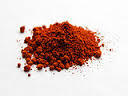
Alizarine
Price 1 INR / Kilograms
Minimum Order Quantity : 25 Kilograms
Molecular Weight : 240.22 g/mol
Poisonous : Other, Nonpoisonous
Melting Point : 277 C
Properties : Mordant dye, anthraquinone class, good lightfastness, red crystalline powder, stable under normal conditions.
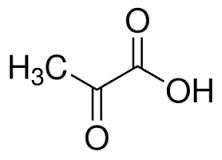
Pyruvic Acid
Price 1 INR / Kilograms
Minimum Order Quantity : 25 Kilograms
Molecular Weight : 88.06 g/mol
Poisonous : Other, Nontoxic (Handle with care)
Melting Point : 1112 C
Properties : Colourless to pale yellow liquid, miscible with water, organic solvent, and alcohol
Disulphine Blue
Price 1 INR / Kilograms
Minimum Order Quantity : 25 Kilograms
Molecular Weight : 751.74 g/mol
Poisonous : Other, May be harmful if ingested
Melting Point : >300C
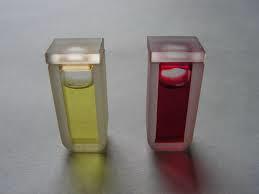
Properties : Disulphine Blue is a synthetic organic dye used for coloring and staining applications, characterized by brilliant blue coloration and high color fastness.
Iodo Nitro Tetrazolium (INT)
Price 1 INR / Kilograms
Minimum Order Quantity : 25 Kilograms
Molecular Weight : 792.77 g/mol
Poisonous : YES
Melting Point : 250 C (decomposition)
Properties : Stains enzymes and protein bands, acts as an indicator and redox dye.

GST : 27AARCA1049D1ZS


|
 |
KARAN LABORATES
All Rights Reserved.(Terms of Use) Developed and Managed by Infocom Network Private Limited. |
