





 Send Inquiry
Neocuproine
Price 1 INR/ Kilograms
Neocuproine Specification
- Smell
- Odorless
- Molecular Formula
- C14H12N2
- Shelf Life
- 24 months from date of manufacture if properly stored
- CAS No
- 484-11-7
- Storage
- Store in a cool, dry place, protect from light
- Solubility
- Soluble in ethanol, acetone, slightly soluble in water
- Appearance
- Yellow powder
- Physical Form
- Powder
- Shape
- Crystalline
- Application
- Analytical chemistry, complexometric indicator, copper detection
- Purity
- >= 98% (HPLC)
- Refractive Rate
- Not determined
- Density
- 1.198 Gram per cubic centimeter(g/cm3)
- Usage
- Preparation of copper(I) complexes, analytical reagent in laboratories
- Taste
- Not determined
- Ingredients
- 2,9-dimethyl-1,10-phenanthroline
- Poisonous
- Non-poisonous in handling, avoid ingestion
- Product Type
- Chemical Compound
- Structural Formula
- C14H12N2
- EINECS No
- 207-612-0
- Grade
- Analytical Grade
- Molecular Weight
- 208.26 g/mol
- Properties
- Acts as a colorimetric reagent for copper, forms stable complexes, sensitive to light and air
- Melting Point
- 153-157°C
- HS Code
- 29333999
- Transport Information
- Not regulated for transport
- Storage Temperature
- Room temperature, avoid extreme conditions
- Safety Information
- Avoid contact with skin and eyes; use in well-ventilated areas.
- Packing Details
- Available in 25g, 100g, 500g and 1kg bottles
- Stability
- Stable under recommended storage conditions
- Boiling Point
- Not determined
- Hazard Class
- Non-hazardous according to GHS classification
Neocuproine Trade Information
- Minimum Order Quantity
- 25 Kilograms
- Supply Ability
- 100 Kilograms Per Week
- Delivery Time
- 1 Week
- Sample Available
- Yes
- Sample Policy
- Free samples are available
- Packaging Details
- Drum packing.
- Main Domestic Market
- All India
About Neocuproine
Features:
- Excellent purity
- High effectiveness
- Non-toxic nature
- Longer shelf life
Advanced Copper Detection in Analytical Chemistry
Neocuproine serves as an effective colorimetric reagent for detecting copper, often used in complexometric titrations. Its high sensitivity and selectivity for copper(I) ions make it an essential tool for laboratories and research facilities. The compounds stable complex-forming nature ensures reliable analytical outcomes while simplifying the copper quantification process.
Safe and Convenient Handling and Transportation
Classified as non-hazardous under GHS guidelines, Neocuproine does not require special handling or transport protocols. Though non-poisonous, it is advised to avoid ingestion and direct contact with the skin or eyes. Store in original containers away from extreme conditions and light for a long shelf life of up to 24 months.
FAQs of Neocuproine:
Q: How should Neocuproine be stored to maintain its stability?
A: Neocuproine should be stored at room temperature in a cool, dry place, protected from light and extreme environmental conditions. Proper storage will ensure its stability and effectiveness for up to 24 months from the date of manufacture.Q: What is the main benefit of using Neocuproine in analytical chemistry?
A: Neocuproine acts as a highly sensitive and selective reagent for detecting copper(I) ions, providing reliable and clear results in complexometric titrations and colorimetric analyses. Its stable complex formation enhances accuracy during copper quantification.Q: Is Neocuproine hazardous or regulated during shipment?
A: Neocuproine is classified as non-hazardous according to GHS standards and is not subject to regulation for transportation. Standard packaging ensures safety and compliance during transit.Q: What are the recommended usage guidelines for Neocuproine in the laboratory?
A: Use Neocuproine in a well-ventilated area, avoiding direct contact with skin and eyes. Employ standard laboratory protective equipment to prevent accidental exposure during preparation or analysis.Q: In what types of bottles and quantities is Neocuproine available?
A: Neocuproine is supplied in sealed bottles of 25g, 100g, 500g, and 1kg. Each container preserves the products quality by offering protection from light and moisture.Q: How soluble is Neocuproine and which solvents are suitable for its use?
A: Neocuproine dissolves readily in ethanol and acetone and is only slightly soluble in water, making organic solvents preferable for most analytical applications.

Price:
- 50
- 100
- 200
- 250
- 500
- 1000+

More Products in Lab Chemicals Category
Lodo Nitro
Price 1 INR / Kilograms
Minimum Order Quantity : 25 Kilograms
Application : Other , Industrial use, water treatment, corrosion inhibitor, chemical synthesis
Purity : 99%
Usage : Used as industrial chemical intermediate, and in laboratory processes
Solubility : Highly soluble in water
Sudan Iii
Price 1 INR / Kilograms
Minimum Order Quantity : 25 Kilograms
Application : Other , Biological staining, fat and lipid detection, coloring hydrocarbons and oils
Purity : 99%
Usage : Used as biological stain and coloring agent in industrial applications
Solubility : Insoluble in water, soluble in oils
Thymolphthalein
Price 1 INR / Kilograms
Minimum Order Quantity : 25 Kilograms
Application : Other , pH Indicator in analytical chemistry, acidbase titrations, chemical education
Purity : >=99%
Usage : Used as a pH indicator, particularly for strong base titrations
Solubility : Very slightly soluble in water; soluble in alcohol and most organic solvents
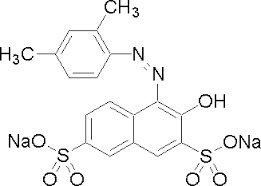
Xylidine Ponceau 2 R
Price 1 INR / Kilograms
Minimum Order Quantity : 25 Kilograms
Application : Other , Biological staining, protein detection, cytology, histology
Purity : >98%
Usage : Used as a staining reagent in laboratory protocols
Solubility : Freely soluble in water, slightly soluble in ethanol

GST : 27AARCA1049D1ZS


|
 |
KARAN LABORATES
All Rights Reserved.(Terms of Use) Developed and Managed by Infocom Network Private Limited. |
