




 Send Inquiry
Anthrone
Price 1 INR/ Kilograms
Anthrone Specification
- Melting Point
- 155-158°C
- CAS No
- 90-44-8
- Molecular Weight
- 194.23 g/mol
- Physical Form
- Powder
- Usage
- Mainly used for laboratory analytical procedures and research purposes
- Storage
- Store in tightly closed container, in a cool, dry, well-ventilated place, away from sources of ignition and incompatible substances
- Application
- Used in the colorimetric determination of carbohydrates, in biochemical reagents, and intermediates in pharmaceutical synthesis
- EINECS No
- 201-995-5
- Grade
- Laboratory Grade / Analytical Reagent
- Shape
- Crystalline
- Shelf Life
- Minimum 2 years under recommended conditions
- Properties
- Anthrone is a yellow-greenish crystalline powder, stable under normal storage conditions; sensitive to strong oxidizing agents.
- Molecular Formula
- C14H10O
- Structural Formula
- C14H10O
- Density
- 1.204 Gram per cubic centimeter(g/cm3)
- Ingredients
- Anthrone (C14H10O)
- HS Code
- 29142900
- Product Type
- Organic Compound
- Smell
- Odorless or slight aromatic odor
- Solubility
- Slightly soluble in water, soluble in ethanol and ether
- Poisonous
- Yes, toxic if ingested or inhaled
- Appearance
- Yellowish to green crystalline powder
- Purity
- > 99.0%
- Hazard Statements
- Irritant, Harmful if swallowed or inhaled
- Stability
- Stable under normal temperatures and pressures
- Incompatibility
- Strong oxidizing agents
- Transport Information
- UN Number: 2811, Class 6.1
- Handling Precautions
- Use personal protective equipment, avoid contact with skin, eyes, and clothing
- Packing Group
- III
- Flash Point
- > 110C
- Disposal Methods
- Dispose of in accordance with local, regional, and national regulations
- Boiling Point
- Not applicable (decomposes on heating)
Anthrone Trade Information
- Minimum Order Quantity
- 25 Kilograms
- Supply Ability
- 100 Kilograms Per Week
- Delivery Time
- 1 Week
About Anthrone
Features:
- Longer shelf life
- Precise pH value
- Accurate composition
- Non-toxic
Key Laboratory Applications
Anthrone is fundamental in biochemical laboratories for the colorimetric identification and quantification of carbohydrates. It serves as an analytical reagent in research and is utilized as an intermediate in pharmaceutical synthesis. Its specificity in carbohydrate determination provides reliable and precise results in various analytical workflows.
Safe Handling and Storage Requirements
Due to its irritant and toxic nature, Anthrone demands careful handling. Always wear personal protective equipment, including gloves, goggles, and lab coats. Prevent contact with skin or eyes and avoid inhalation. Store Anthrone in a tightly sealed container in a cool, dry, and well-ventilated area, clearly segregated from strong oxidizing agents and sources of ignition.
FAQs of Anthrone:
Q: How should Anthrone be handled safely in a laboratory setting?
A: Anthrone must be handled using personal protective equipment such as gloves, safety goggles, and lab coats to prevent exposure. Ensure that work is done in a well-ventilated area or fume hood and avoid direct contact with skin, eyes, or clothing.Q: What is the primary usage of Anthrone in laboratory research?
A: Anthrone is mainly used for the colorimetric determination of carbohydrates, playing a vital role in biochemical assays and research. It also acts as an intermediate in pharmaceutical synthesis.Q: When is Anthrone considered stable and when does it decompose?
A: Anthrone remains stable under normal temperatures and pressures, particularly during proper storage. It decomposes upon heating rather than exhibiting a typical boiling point, so avoid exposing it to high temperatures.Q: Where should Anthrone be stored to maintain its quality and shelf life?
A: Anthrone should be stored in a tightly closed container in a cool, dry, and well-ventilated space, away from strong oxidizing agents and ignition sources, to ensure stability and preserve its minimum two-year shelf life.Q: What is the process for disposing of Anthrone after use?
A: Disposal of Anthrone should be conducted according to local, regional, and national regulations. It must not be released into the environment; use certified chemical waste disposal services when discarding it.Q: What are the benefits of using Anthrone in analytical procedures?
A: Anthrone provides sensitive and reliable results in the colorimetric detection and quantification of carbohydrates, making it indispensable for various biochemical and analytical applications.

Price:
- 50
- 100
- 200
- 250
- 500
- 1000+

More Products in Lab Chemicals Category
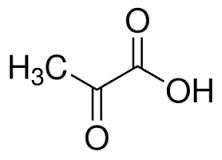
Pyruvic Acid
Price 1 INR / Kilograms
Minimum Order Quantity : 25 Kilograms
Product Type : Organic Acid
Ingredients : Pyruvic Acid (2Oxopropanoic acid)
HS Code : 291830
Poisonous : Other, Nontoxic (Handle with care)
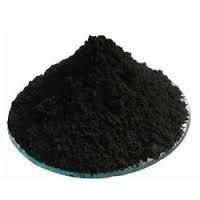
16, 17 Vialonthrone
Price 1 INR / Kilograms
Minimum Order Quantity : 25 Kilograms
Product Type : Organic Pigment
Ingredients : Vialonthrone (Pigment Blue 24) C.I. 68912
HS Code : 320417
Poisonous : NO
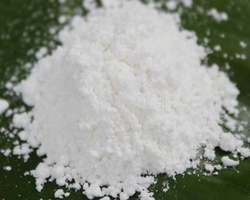
ACETAMIDE
Price 1 INR / Kilograms
Minimum Order Quantity : 25 Kilograms
Product Type : Organic Compound
Ingredients : Acetamide
HS Code : 29242990
Poisonous : NO
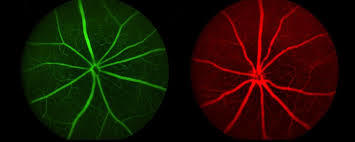
Evans Blue
Price 1 INR / Kilograms
Minimum Order Quantity : 25 Kilograms
Product Type : Chemical Dye / Stain
Ingredients : Evans Blue (T1824) Disodium Salt
HS Code : 32041200
Poisonous : Other, Yes, toxic

GST : 27AARCA1049D1ZS


|
 |
KARAN LABORATES
All Rights Reserved.(Terms of Use) Developed and Managed by Infocom Network Private Limited. |
